
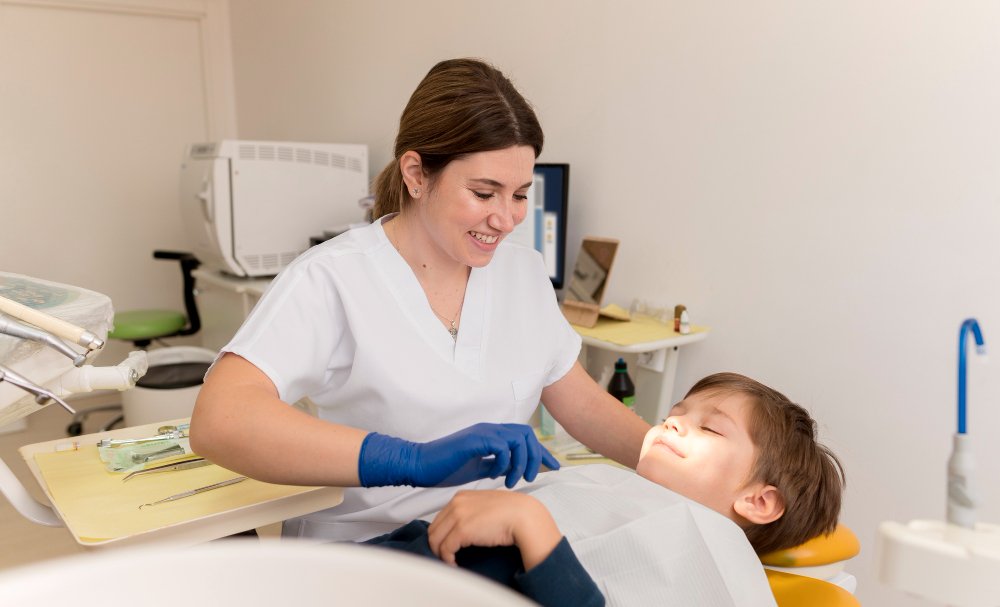
A healthy smile begins earlier than many parents realize. Establishing dental care in the first years of life plays a significant role in a child’s long-term oral and overall health. According to dental health professionals, early preventive visits help detect issues before they become serious, build positive habits, and reduce the risk of dental anxiety later in life.
At Kids Dental Corner, families are encouraged to schedule their child’s first visit soon after the first tooth appears or by their first birthday. Understanding why early pediatric dental exams matter can help parents make informed decisions that support lifelong oral health.
What Is a Pediatric Dental Exam?
A pediatric dental exam is a comprehensive evaluation of a child’s oral health, specifically designed to address the unique needs of infants, toddlers, and growing children. Unlike adult exams, these visits consider tooth development stages, jaw growth, and behavioral factors.
A typical pediatric dentist exam includes:
- Examination of teeth, gums, and jaw development
- Monitoring of eruption patterns
- Assessment for early signs of decay
- Evaluation of bite alignment
- Preventive guidance for parents
For children in Burbank and surrounding areas, scheduling a specialized pediatric dental exam Burbank ensures care tailored to their developmental stage.
When Should a Child Have Their First Dental Examination?
Dental professionals recommend that children have their first dental examination for kids by age one or within six months of the first tooth erupting. This early visit sets the foundation for preventive care and familiarizes children with the dental environment.
Many parents assume dental visits are only necessary once all primary teeth have come in. However, early exams help identify:
- Improper brushing habits
- Early tooth decay
- Gum inflammation
- Developmental abnormalities
Regular follow-ups every six months allow a pediatric dentist examination to track changes and intervene promptly when needed.
The Importance of Early Detection
One of the main reasons early pediatric dental exams matter is the opportunity for early detection of oral health problems.
Preventing Early Childhood Cavities
Tooth decay is one of the most common chronic conditions in children. A routine kids dental exam allows the dentist to identify early enamel changes before cavities worsen. When caught early, treatment is simpler and less invasive.
Monitoring Growth and Development
A kids oral exam evaluates jaw alignment and spacing between teeth. Early detection of bite irregularities may prevent more complex orthodontic issues later in life.
Identifying Risk Factors
Certain habits such as thumb sucking, prolonged pacifier use, or frequent bottle feeding at bedtime can affect dental development. A pediatric dentist exam provides guidance to address these behaviors early.
Building Healthy Dental Habits from the Start
Early visits are not only about identifying problems. They are also about prevention and education.
During a pediatric dentist examination, parents receive personalized instructions on:
- Proper brushing and flossing techniques
- Choosing age-appropriate toothpaste
- Managing diet to reduce sugar exposure
- Fluoride recommendations
These early lessons significantly influence a child’s long-term oral hygiene habits. Families can learn more about the practice philosophy and approach by visiting the about us page to understand how preventive care is emphasized.
Reducing Dental Anxiety Through Early Exposure
Fear of dental visits often develops when children only see a dentist during emergencies or painful situations. Introducing children to dental care through routine pediatric dental exams creates familiarity and comfort.
A calm and positive first dental examination for kids helps children:
- Build trust with the dentist
- Understand what happens during visits
- Feel more confident about oral care
When children associate dental visits with regular checkups rather than discomfort, they are more likely to maintain consistent care into adolescence and adulthood.
Supporting Overall Health
Oral health is closely linked to overall health. Infections in the mouth can affect eating, sleeping, and even academic performance.
Impact on Nutrition
Healthy teeth allow children to chew properly, supporting balanced nutrition. A thorough kids dental exam ensures that pain or decay does not interfere with eating habits.
Speech Development
Teeth play a key role in speech formation. A pediatric dentist exam evaluates alignment and oral structures that may influence pronunciation and clarity.
Preventing Systemic Issues
Untreated dental infections can spread or lead to complications. Early pediatric dental exams reduce this risk by addressing concerns promptly.
What Happens During a Pediatric Dentist Examination?
Understanding what to expect can ease parental concerns.
A typical pediatric dentist examination may include:
- Reviewing medical and dental history
- Gentle cleaning to remove plaque
- Examination of teeth and gums
- Discussion about fluoride or sealants if appropriate
- Guidance on at-home care
For families preparing for dental emergencies, resources such as what to do if your child knocks out a tooth provide valuable information that complements preventive exams.
The Role of Preventive Treatments
Early pediatric dental exams often include preventive measures designed to protect developing teeth.
Fluoride Treatments
Fluoride strengthens enamel and makes teeth more resistant to decay. Dentists may recommend fluoride applications based on risk assessment during a kids oral exam.
Dental Sealants
Sealants are protective coatings applied to molars to prevent cavities. During a pediatric dental exam, the dentist evaluates whether sealants are appropriate for your child’s age and risk level.
Addressing Common Parental Concerns
Parents often wonder whether early visits are truly necessary. Some common questions include:
- My child only has a few teeth. Is an exam needed?
- Baby teeth will fall out anyway. Why treat them?
- What if my child cries during the appointment?
Primary teeth serve important roles in speech, nutrition, and guiding permanent teeth. A pediatric dentist exam ensures these teeth remain healthy until they naturally fall out.
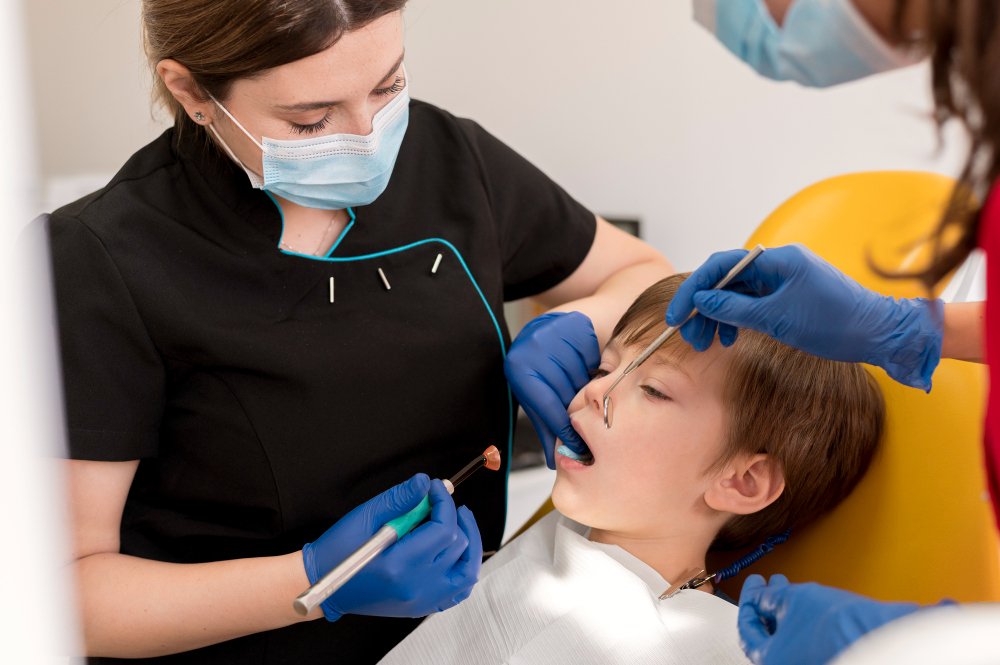
Additionally, pediatric dental professionals are trained to work with children who may feel anxious or uncooperative. Gentle communication techniques are used to make the visit productive and supportive.
Establishing a Long-Term Dental Home
Another reason early pediatric dental exams matter is the establishment of a dental home. A dental home means having a consistent provider who understands your child’s history and developmental patterns.
This continuity allows:
- Accurate monitoring of growth
- Faster response during emergencies
- Personalized preventive plans
Regular visits create a partnership between parents and dental professionals focused on maintaining oral health throughout childhood.
Signs Your Child May Need a Dental Exam Sooner
Although routine visits are typically scheduled every six months, certain symptoms require earlier attention:
- White or brown spots on teeth
- Persistent bad breath
- Swollen or bleeding gums
- Tooth pain or sensitivity
- Injury to the mouth
Prompt evaluation through a dental examination for kids helps prevent complications and discomfort.
How Early Exams Influence Orthodontic Outcomes
A pediatric dentist examination also plays a role in identifying potential orthodontic concerns. Early recognition of crowding, crossbites, or jaw discrepancies can allow for interceptive treatments.
While not all children require orthodontics, monitoring development during routine pediatric dental exams ensures that any necessary referrals are made at the appropriate time.
Creating Positive Home Care Routines
The benefits of early dental visits extend beyond the clinic. Parents gain the tools and knowledge needed to support their child’s oral health at home.
After a kids oral exam, parents often receive:
- Brushing demonstrations
- Flossing tips
- Nutritional advice
- Recommendations for dental-friendly snacks
Consistent reinforcement at home strengthens the impact of professional care.
Long-Term Cost Benefits of Early Care
Preventive care is often more affordable than restorative treatments. Early pediatric dental exams reduce the likelihood of:
- Extensive fillings
- Crowns
- Extractions
- Emergency visits
Addressing small issues before they become severe can minimize financial strain and reduce discomfort for the child.
Conclusion
Early pediatric dental exams matter because they establish a foundation for lifelong oral health. From preventing cavities and supporting development to reducing anxiety and promoting healthy habits, these visits offer far-reaching benefits.
Scheduling a timely pediatric dental exam ensures that your child’s teeth and gums are monitored from the very beginning. If you are considering an appointment or have concerns about your child’s oral health, you can contact us to learn more about available services and next steps.
By prioritizing preventive care early, parents help create confident smiles that last well into adulthood.
Frequently Asked Questions
1. How often should my child have a pediatric dental exam?
Most children benefit from a pediatric dental exam every six months, though your dentist may recommend more frequent visits based on risk factors.
2. What happens during a dental examination for kids?
A dental examination for kids typically includes a visual inspection, cleaning, monitoring of development, and guidance on preventive care.
3. Is a pediatric dentist exam different from a general dentist visit?
Yes. A pediatric dentist exam is tailored to children’s developmental stages and behavioral needs.
4. Are baby teeth really that important?
Primary teeth guide permanent teeth into position, support speech development, and allow proper chewing. Maintaining them through regular kids dental exams is essential.
5. What should I do if my child has a dental emergency?
If your child experiences trauma such as a knocked-out tooth, seek immediate dental care and follow emergency guidance from your dental provider.