
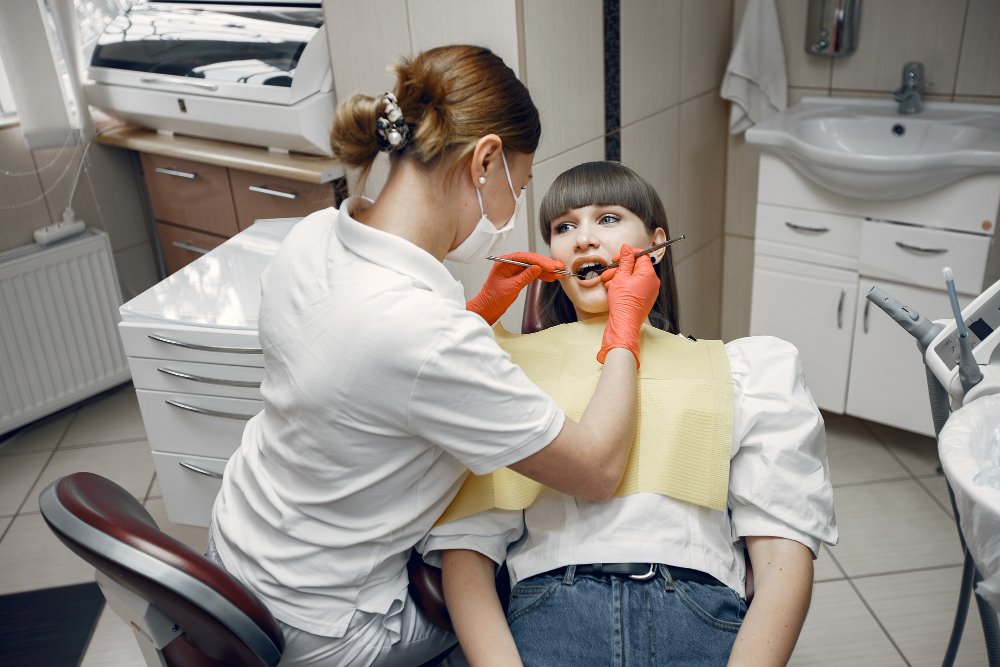
Dental anxiety is common among children, often making routine checkups stressful for both kids and parents. The unfamiliar setting, new faces, and anticipation of discomfort can create hesitation or fear before even stepping into the clinic. However, with the right strategies and a supportive environment, dental visits can become a positive and engaging experience.
At Kids Dental Corner, the focus is on making children feel comfortable and secure from the moment they arrive. A well-trained pediatric dentist understands that emotional comfort is just as important as clinical care, and uses specialized approaches to ensure children feel relaxed and confident.
This article explores effective, practical strategies used in pediatric dental care to reduce fear and make dental visits enjoyable for children of all ages.
Understanding Why Children Fear the Dentist
Children’s fear of dental visits often stems from a mix of emotional and sensory triggers. Identifying these reasons can help parents and professionals address them effectively.
Common Causes of Dental Anxiety
- Fear of pain or discomfort
- Anxiety about unfamiliar environments
- Sensitivity to sounds, smells, and equipment
- Negative stories from peers or siblings
A skilled Kids Dentist recognizes these concerns and adapts their approach to create a calm and reassuring experience.
The Importance of Choosing a Pediatric Dentist
Not all dentists are trained to handle children’s unique emotional and developmental needs. A pediatric dentist specializes in treating young patients and uses behavior management techniques to reduce anxiety.
Benefits of Pediatric Dental Care
- Child-focused communication techniques
- Gentle and patient-centered treatment
- Familiarity with child psychology
- Preventive care tailored to growing teeth
If you are searching for a reliable pediatric dentist in burbank, selecting a specialist ensures your child receives compassionate and effective care.
Creating a Positive First Impression
A child’s first dental visit often shapes their long-term perception of oral care. Making it positive is essential.
What Makes a First Visit Successful
- Warm and friendly greetings from staff
- A non-threatening introduction to tools
- Short and simple initial appointments
- Encouragement and reassurance
Parents can also explore the clinic’s philosophy and team approach by visiting the about us page to understand how care is tailored for children.
Preparing Your Child Before the Appointment
Preparation plays a major role in reducing fear and building confidence before a dental visit.
Effective Preparation Tips
Preparing your child before a dental visit helps reduce anxiety and builds confidence. Simple steps like positive communication and familiarizing them with the process can make the experience smoother and more comfortable.
1. Talk About the Visit Positively: Use simple, encouraging language to explain what will happen. Avoid mentioning pain or discomfort.
2. Use Books and Videos: Educational stories about visiting a Kids Dentist can help normalize the experience.
3. Practice at Home: Role-playing a dental visit allows children to become familiar with the process in a safe environment.
4. Choose the Right Timing: Schedule appointments when your child is well-rested and calm to avoid unnecessary stress.
Creating a Child-Friendly Environment
The design and atmosphere of a dental clinic can significantly influence a child’s comfort level.
Key Elements of a Kid-Friendly Clinic
- Bright colors and playful décor
- Toys, games, and books in waiting areas
- Friendly and approachable staff
- Entertainment options like cartoons
These elements are essential in modern pediatric dental care, helping children associate dental visits with fun rather than fear.
Behavior Management Techniques That Work
A pediatric dentist uses specialized techniques to help children feel at ease during treatment.
1. Tell-Show-Do Method: This method involves explaining, demonstrating, and then performing procedures in a gentle and understandable way. It builds trust and reduces uncertainty.
2. Positive Reinforcement: Children are encouraged through praise or small rewards, reinforcing cooperative behavior and creating positive associations.
3. Distraction Techniques: Using music, videos, or engaging conversations helps shift the child’s focus away from the procedure.
4. Gradual Exposure: Introducing dental tools and procedures slowly allows children to adjust comfortably over time.
The Role of Parents in Reducing Fear
Parents have a powerful influence on how children perceive dental visits. Their attitude and behavior can either ease or increase anxiety.
How Parents Can Help
- Stay calm and composed during visits
- Avoid sharing negative dental experiences
- Offer reassurance and encouragement
- Follow the dentist’s recommendations
A supportive partnership between parents and a pediatric dentist ensures a smoother and more positive experience for the child.
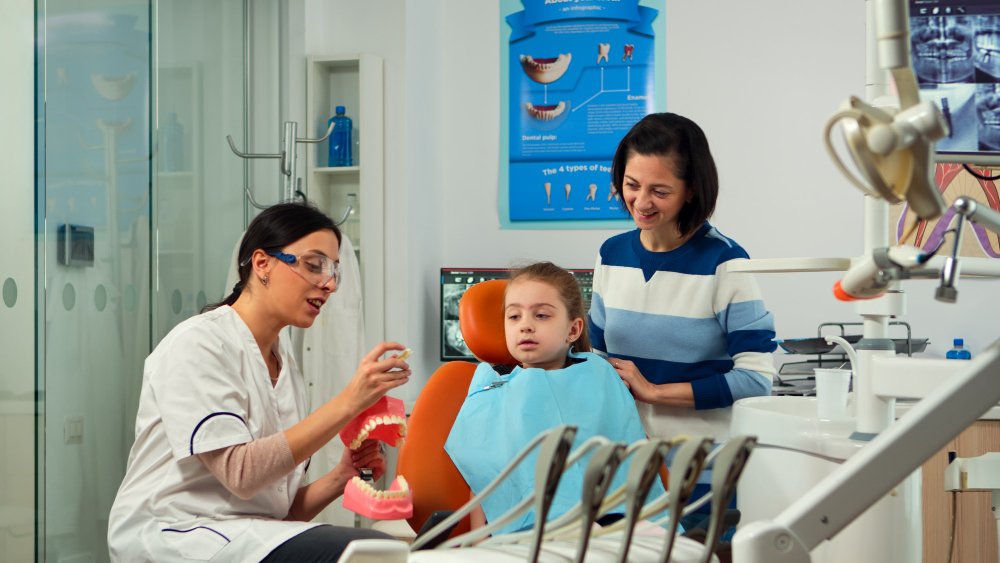
Making Dental Visits Fun for Children
Transforming dental visits into enjoyable experiences can significantly reduce fear and resistance.
Fun Strategies to Try
Simple, engaging activities like reward systems, interactive choices, and playful conversations can help children feel relaxed and excited about dental visits. These small efforts create positive associations and reduce fear over time.
1. Reward Systems: Offering small rewards after appointments motivates children and creates positive memories.
2. Interactive Choices: Letting children choose their toothbrush or toothpaste flavor gives them a sense of control.
3. Celebrating Achievements: Recognizing milestones like cavity-free visits encourages good oral hygiene habits.
4. Friendly Conversations: A Kids Dentist often engages children in light, fun conversations to build rapport and reduce tension.
Addressing Common Dental Problems Without Fear
Children may associate dental visits with treatment and discomfort, especially when dealing with issues like cavities.
Managing Cavities Effectively
Cavities are a common concern, even with regular brushing. Understanding their causes can help parents take preventive measures. You can learn more about this by visiting why children get cavities despite brushing.
Gentle Treatment Approaches
- Use of numbing gels to minimize discomfort
- Clear explanations before procedures
- Slow and careful treatment methods
These techniques ensure that pediatric dental care remains comfortable and stress-free.
The Importance of Regular Dental Visits
Consistency is key when it comes to reducing dental anxiety and maintaining oral health.
Benefits of Routine Checkups
- Early detection of dental issues
- Familiarity with the dental environment
- Reinforcement of good oral hygiene habits
- Reduced fear over time
Visiting a trusted Kids Dentist Burbank regularly helps children build confidence and trust in dental care.
Encouraging Lifelong Oral Health Habits
Positive dental experiences in childhood lay the foundation for lifelong oral health.
Healthy Habits to Promote
- Brushing twice a day with proper technique
- Flossing regularly
- Limiting sugary foods and drinks
- Attending regular dental checkups
A consistent relationship with a pediatric dentist supports these habits and ensures long-term dental health.
Choosing the Right Pediatric Dentist
Selecting the right dentist can make a significant difference in your child’s experience.
Factors to Consider
- Experience in treating children
- Friendly and patient approach
- Clean and welcoming environment
- Positive feedback from other parents
If you are looking for a dependable pediatric dentist in burbank, it is important to choose one who prioritizes both comfort and quality care.
When Dental Anxiety Requires Extra Attention
Some children may experience more intense fear that requires additional support.
Signs of Severe Anxiety
- Crying or panic before appointments
- Refusal to enter the clinic
- Difficulty sleeping before visits
In such cases, a specialized pediatric dentist can use advanced techniques to help children feel more secure and relaxed.
Building Trust Through Communication
Open communication between the dentist, child, and parent is essential for reducing fear.
Effective Communication Strategies
- Explaining procedures in simple terms
- Encouraging questions from children
- Providing reassurance throughout the visit
This approach strengthens trust and helps children feel more in control during their dental appointments.
Long-Term Benefits of Fear-Free Dental Visits
Reducing fear early in life has lasting benefits for a child’s overall health and well-being.
Key Advantages
- Improved oral health outcomes
- Increased confidence during medical visits
- Better cooperation with healthcare providers
- Reduced anxiety in adulthood
A positive relationship with a Kids Dentist can shape a child’s attitude toward healthcare for years to come.
Conclusion
Making dental visits fun and stress-free is not only possible but essential for a child’s long-term oral health. With the right preparation, supportive parenting, and expert care from a pediatric dentist, children can develop a positive attitude toward dental visits.
Modern pediatric dental care focuses on comfort, communication, and engagement, ensuring that every visit is a step toward building confidence and healthy habits. By choosing a child-friendly environment and consistent care, parents can help their children overcome fear and embrace dental health as a positive experience.
If you are ready to support your child’s dental journey, consider reaching out through the contact us page to connect with a trusted professional.
Frequently Asked Questions (FAQs)
1. At what age should my child visit a pediatric dentist?
Children should see a pediatric dentist by their first birthday or when their first tooth appears to ensure early preventive care.
2. How can I prepare my child for their first dental visit?
Use positive language, read educational stories, and practice role-playing to help your child feel comfortable visiting a Kids Dentist.
3. What makes pediatric dental care different from general dentistry?
Pediatric dental care focuses on children’s unique developmental and emotional needs, using specialized techniques to reduce fear.
4. How often should my child visit the dentist?
Regular visits every six months to a Kids Dentist Burbank help maintain oral health and prevent dental issues.
5. What should I do if my child is extremely afraid of the dentist?
Consult a pediatric dentist who is trained in managing dental anxiety and can provide customized strategies for your child.