
Choosing the right dental care for your child does not end once their baby teeth come in. As kids grow, parents often start wondering how long they should continue visiting a pediatric dentist and when it makes sense to switch to a general family dentist. This is a common question, and there is no single answer that fits every child. At Kids Dental Corner, we work with families through every stage of a child’s dental development, so we understand the concerns parents have about timing this transition correctly.
This guide walks through what a pediatric dentist actually does, why specialized care matters in the early years, and how to know when your child is ready to move on to general dental care.
What Does a Pediatric Dentist Do?
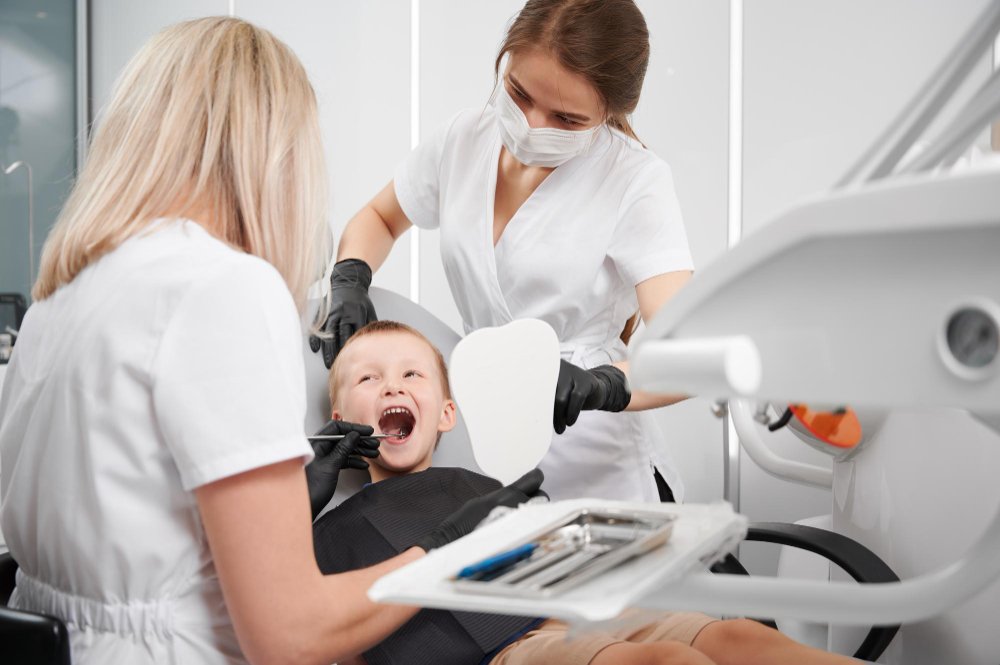
A pediatric dentist is a dental professional trained specifically to care for infants, children, and teenagers. Unlike a general dentist, a pediatric dentist completes additional years of training focused on child psychology, growth and development, and the unique needs of young patients.
A pediatric dentist handles routine checkups, cleanings, cavity treatment, fluoride application, sealants, and guidance on habits like thumb sucking or teeth grinding. They are also trained to manage dental anxiety in children, which makes visits less stressful for both the child and the parent.
Pediatric dentistry is not simply general dentistry scaled down for smaller mouths. It involves a different approach to communication, treatment planning, and even the design of the clinic itself, with smaller equipment and a more welcoming environment suited to young patients.
Why Children Need Specialized Dental Care
Children’s teeth and jaws are constantly changing. Baby teeth begin to erupt around six months of age, and by the time a child is around six years old, permanent teeth start replacing them. This process continues well into the early teenage years.
A dentist trained in pediatric dentistry understands how to monitor this development closely, catching issues like misaligned bites, delayed eruption, or early signs of decay before they become bigger problems. Children also respond differently to dental treatment compared to adults, both physically and emotionally, which is why specialized pediatric dental care plays such an important role in the early years.
Regular visits during childhood also help build positive associations with dental care. A child who has good experiences at the dentist is more likely to maintain healthy habits and less likely to develop dental anxiety as an adult.
When Should Kids Stop Seeing a Pediatric Dentist?
This is the central question most parents have, and the answer depends on a combination of age guidelines, individual development, and personal comfort.
General Age Guidelines
Most professional dental associations recommend that children can continue seeing a pediatric dentist until they turn 18. Pediatric dentists are trained to treat patients from infancy through adolescence, which means there is no strict cutoff that requires a switch at a younger age.
That said, many families begin transitioning their child to a general dentist somewhere between the ages of 12 and 18, once all permanent teeth have come in and the child’s dental needs start to resemble those of an adult.
Signs Your Child May Be Ready to Transition
There is no universal rule, but a few signs can help parents decide when the timing feels right:
- All or most permanent teeth have erupted, including second molars
- The child no longer needs behavior management techniques common in pediatric settings
- Orthodontic treatment, if any, has been completed or is nearing completion
- The child feels comfortable and confident in a general dental office setting
- The family is looking for a single dentist who can treat the whole household
Every child develops at a different pace, so it is reasonable for one sibling to transition earlier than another. The decision should be based on the child’s comfort level and dental maturity rather than age alone.
Benefits of Staying with a Pediatric Dentist Longer
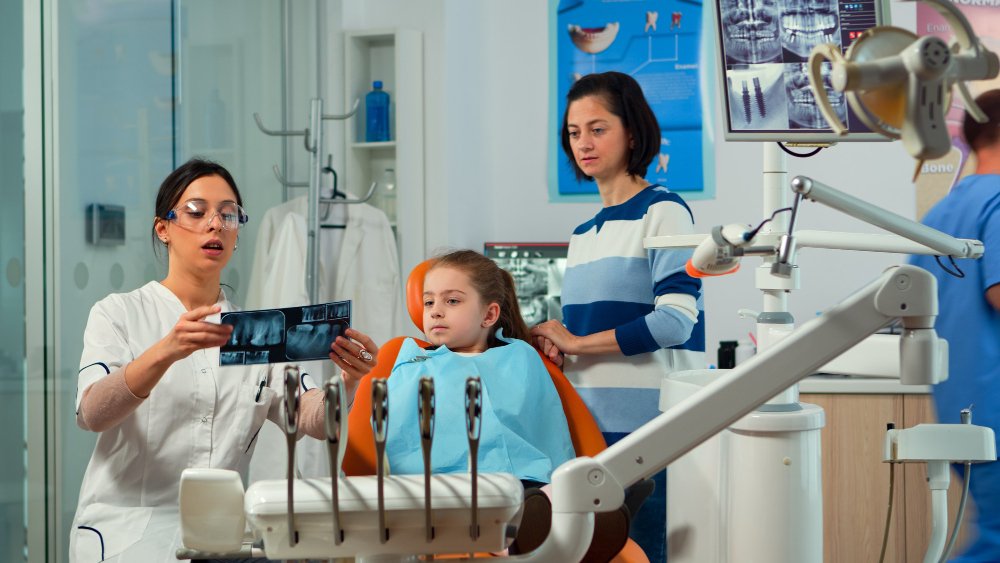
Many parents assume they need to switch dentists as soon as their child becomes a teenager, but there are real advantages to continuing pediatric care through adolescence.
Teenagers still experience significant dental changes, including wisdom tooth development, ongoing orthodontic adjustments, and habits like sports-related mouth injuries. A pediatric dentist remains equipped to handle these situations with an approach tailored to younger patients.
The table below outlines some of the key differences between pediatric dentists and general dentists to help parents weigh their options.
| Factor | Pediatric Dentist | General Dentist |
|---|---|---|
| Training focus | Specialized in infants, children, and teens | Trained to treat patients of all ages |
| Office environment | Designed for comfort and lower anxiety in children | Typically designed for adult patients |
| Behavior management | Specific techniques for young or anxious patients | Limited focus on child-specific behavior |
| Growth monitoring | Tracks jaw and tooth development closely | General oral health monitoring |
| Age range treated | Birth through late teens | All ages, including adults |
| Family convenience | Best suited for children only | Can treat entire family under one roof |
This comparison shows that the choice is not always about one being better than the other. It often comes down to what your child needs at a particular stage and what feels most comfortable for your family.
How to Make the Transition Smooth
If you and your child decide it is time to move from pediatric to general dental care, a few steps can make the process easier.
First, talk to your current pediatric dentist about the transition. They can often recommend a general dentist who fits your family’s needs and can share dental records to ensure continuity of care.
Second, involve your child in the decision. Letting them visit the new office beforehand or meet the dentist can reduce anxiety about the change.
Third, keep the timing consistent with any ongoing treatment. It is usually better to complete orthodontic work or other active treatment plans before switching providers, so care is not interrupted midway.
Families in the area looking for a trusted pediatric dentist through these transition years can learn more about our approach through our pediatric dentist in Burbank services, where our team works closely with parents to plan appropriate care at every stage.
Emergency Dental Situations in Kids
Regardless of when a child transitions away from pediatric care, dental emergencies can happen at any age. Falls, sports injuries, and sudden toothaches are common among active children and teenagers. Knowing where to turn during these moments matters just as much as routine checkups.
If your child chips a tooth, experiences sudden swelling, or has a persistent toothache, prompt attention can prevent further complications. Our emergency dentistry for kids service is designed to address these situations quickly, giving parents a reliable option when unexpected dental issues arise.
Choosing the Right Dental Care Provider
Whether you continue with a pediatric dentist through the teenage years or move to a general dentist earlier, the most important factor is finding a provider your child trusts and feels comfortable with. Consistency in dental visits, regardless of provider type, plays a bigger role in long-term oral health than the exact age at which a switch happens.
Parents who want to learn more about the qualifications and approach of a dental team can review background information through our about us page, which outlines our experience in working with children and families over the years.
Frequently Asked Questions
At what age should a child first see a pediatric dentist?
Most dental associations recommend a first visit within six months of the first tooth appearing, or by the child’s first birthday, whichever comes first.
Is there a strict age limit for pediatric dental care?
No. Pediatric dentists are trained to treat patients from infancy through age 18, so there is no mandatory age at which a child must stop.
Can a pediatric dentist treat teenagers with braces?
Yes. Many pediatric dentists work alongside orthodontists to monitor oral health during orthodontic treatment for teenagers.
What happens to my child’s dental records when we switch dentists?
Your pediatric dentist can transfer records to the new general dentist, ensuring the next provider has a full history of your child’s dental development.
Conclusion
Deciding when a child should stop seeing a pediatric dentist is a personal choice that depends on their dental development, comfort level, and any ongoing treatment needs. There is no fixed age that applies to every family, and many children benefit from continuing pediatric care well into their teenage years.
If you have questions about your child’s dental care timeline or want guidance on when a transition might make sense, our team is available to help. You can contact us to schedule a consultation and discuss the best path forward for your child’s oral health.