
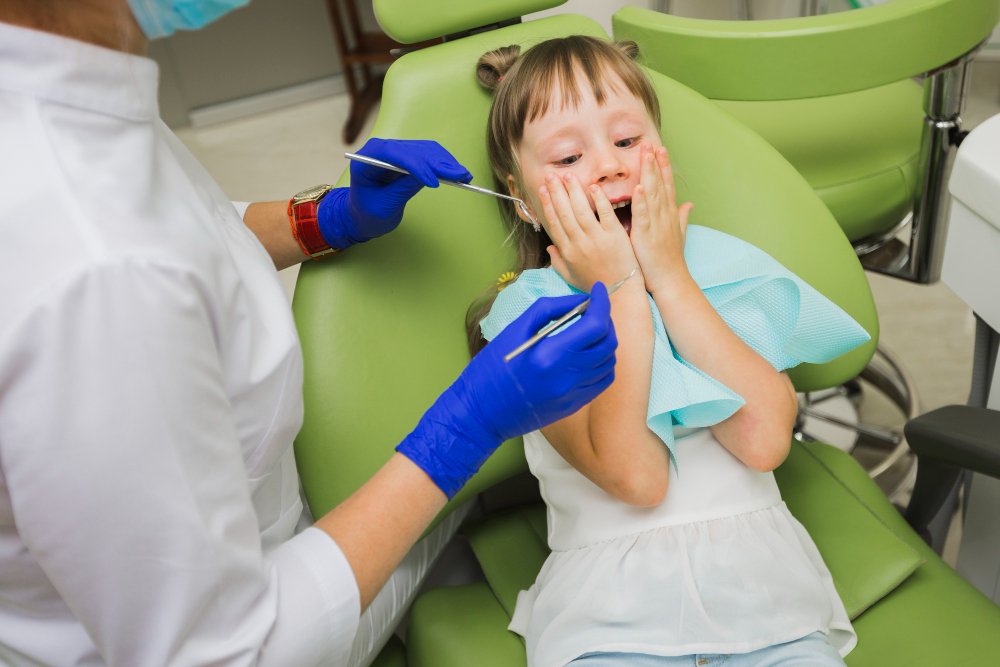
Dental emergencies can happen unexpectedly, especially with active children who are still developing their teeth and learning safe habits. A sudden tooth injury, severe toothache, or infection can cause discomfort and anxiety for both children and parents. Knowing when a dental issue requires immediate attention can help prevent complications and protect your child’s oral health.
A regular dental checkup is important for prevention, but some situations require urgent evaluation from a dental professional. A qualified pediatric emergency dentist Burbank can assess sudden dental problems in children and provide appropriate care designed specifically for young patients.
At Kids Dental Corner, parents can find child-focused dental care that addresses preventive needs as well as urgent dental concerns. Understanding common pediatric dental emergencies and knowing the right steps to take can make a significant difference when your child experiences a dental problem.
What Is a Pediatric Dental Emergency?
A pediatric dental emergency is any dental problem that requires immediate attention because it may involve pain, infection, bleeding, or the risk of permanent damage. Children’s teeth and gums are still developing, so quick action can help protect their oral health.
Not every dental concern requires an emergency visit. However, certain symptoms should not be ignored, especially when your child is experiencing severe pain or visible damage.
A visit to an emergency dentist for children may be needed when your child has:
- Severe or persistent tooth pain
- A knocked-out or broken tooth
- Facial swelling related to a dental issue
- Signs of infection
- Excessive bleeding from the mouth
- Damage to braces or dental appliances causing injury
Early treatment can reduce discomfort and help prevent a minor dental issue from becoming a more serious problem.
Common Pediatric Dental Emergencies That Need Immediate Care
Children may experience different types of dental emergencies due to accidents, sports activities, falls, or untreated dental problems. Understanding these situations can help parents respond quickly.
| Dental Emergency | Common Signs | Recommended Action |
|---|---|---|
| Knocked-out tooth | Missing tooth, bleeding, pain | Contact a dentist immediately for guidance |
| Chipped or fractured tooth | Visible crack, sharp edges, sensitivity | Schedule urgent dental evaluation |
| Severe toothache | Constant pain, difficulty eating or sleeping | Seek professional dental care |
| Dental infection | Swelling, fever, bad taste, gum irritation | Get immediate dental attention |
| Gum or mouth injury | Bleeding, cuts, swelling | Assess the injury and contact a dentist if needed |
| Lost filling or crown | Sensitivity or discomfort | Arrange a dental appointment quickly |
Signs Your Child May Need an Emergency Dentist
Children may not always explain dental pain clearly. Parents should watch for changes in behavior and physical symptoms that may indicate a dental emergency.
1. Severe Tooth Pain
A toothache that does not improve or becomes worse over time may indicate an underlying issue such as decay, infection, or tooth damage. If your child is unable to eat, sleep, or participate in normal activities because of dental pain, it is important to seek professional advice.
A child experiencing intense discomfort may need evaluation from an emergency pediatric dentist to identify the cause and provide appropriate treatment.
2. Swelling Around the Face or Gums
Swelling near the gums, cheeks, or jaw can be a sign of infection. Dental infections can progress quickly, especially in children, and should not be ignored.
If swelling is accompanied by fever, difficulty swallowing, or increased discomfort, parents should contact a dental professional as soon as possible.
3. Knocked-Out Permanent Tooth
Dental injuries are common during childhood activities such as sports, playground activities, and accidents. A knocked-out permanent tooth requires immediate attention because quick treatment may improve the chances of saving the tooth.
Parents should avoid touching the root of the tooth and gently place it in milk or a tooth preservation solution while seeking emergency dental care.
4. Broken, Cracked, or Chipped Tooth
A broken tooth may expose sensitive inner layers, causing pain and increasing the risk of infection. Even if the injury appears minor, a dentist should examine the tooth to determine whether treatment is needed.
Children with damaged teeth may require repairs to restore comfort and protect the tooth from further problems.
5. Dental Abscess or Infection
An abscess is a pocket of infection that can develop around a tooth or gum area. Symptoms may include swelling, pain, fever, or a small bump on the gums.
Dental infections require professional treatment because they usually do not resolve without addressing the underlying cause.
What Should Parents Do During a Dental Emergency?
Knowing how to respond during a dental emergency can help reduce discomfort and prevent additional damage. Parents should remain calm and take immediate steps based on the situation.
For a Knocked-Out Tooth
- Find the tooth if possible.
- Hold it by the crown, not the root.
- Rinse it gently if dirty.
- Store it in milk or a recommended tooth solution.
- Contact a dental office immediately.
For Toothache
- Rinse your child’s mouth with clean water.
- Check for visible food particles or irritation.
- Avoid placing aspirin directly on the tooth or gums.
- Schedule an evaluation if pain continues.
For Mouth Injuries
- Apply gentle pressure with clean gauze if there is bleeding.
- Use a cold compress for swelling.
- Contact a dentist if the injury is severe or bleeding does not stop.
Parents looking for guidance about urgent dental situations can learn more about available options through emergency dentistry for kids.
Common Causes of Dental Emergencies in Children
Pediatric dental emergencies can happen for many reasons. Understanding common causes can help parents take preventive steps.
Sports Injuries
Children who participate in contact sports have a higher risk of dental injuries. Wearing a properly fitted mouthguard can help protect teeth during physical activities.
Falls and Accidents
Falls while playing, riding bicycles, or participating in recreational activities can lead to chipped, broken, or knocked-out teeth.
Untreated Tooth Decay
Cavities that are not treated can progress deeper into the tooth, causing pain, infection, and the need for urgent care.
Regular dental visits help identify problems early and reduce the risk of emergency situations.
Biting Hard Objects
Children may damage teeth by chewing on hard items such as ice, toys, or non-food objects. Encouraging safe habits can reduce the chance of accidental tooth damage.
Emergency Dental Care vs Regular Dental Visits
Parents often wonder whether a dental concern requires emergency treatment or can wait for a scheduled appointment.
The following comparison can help:
| Situation | Emergency Visit Needed? |
|---|---|
| Mild tooth sensitivity | Usually requires a regular appointment |
| Small cavity without pain | Routine dental care is generally appropriate |
| Severe tooth pain | Emergency evaluation recommended |
| Facial swelling | Immediate dental attention needed |
| Knocked-out permanent tooth | Emergency care required |
| Broken tooth causing pain | Urgent dental assessment recommended |
When uncertain, contacting a dental professional is the safest option. A dentist can help determine whether your child needs immediate care.
How a Pediatric Emergency Dentist Helps Children
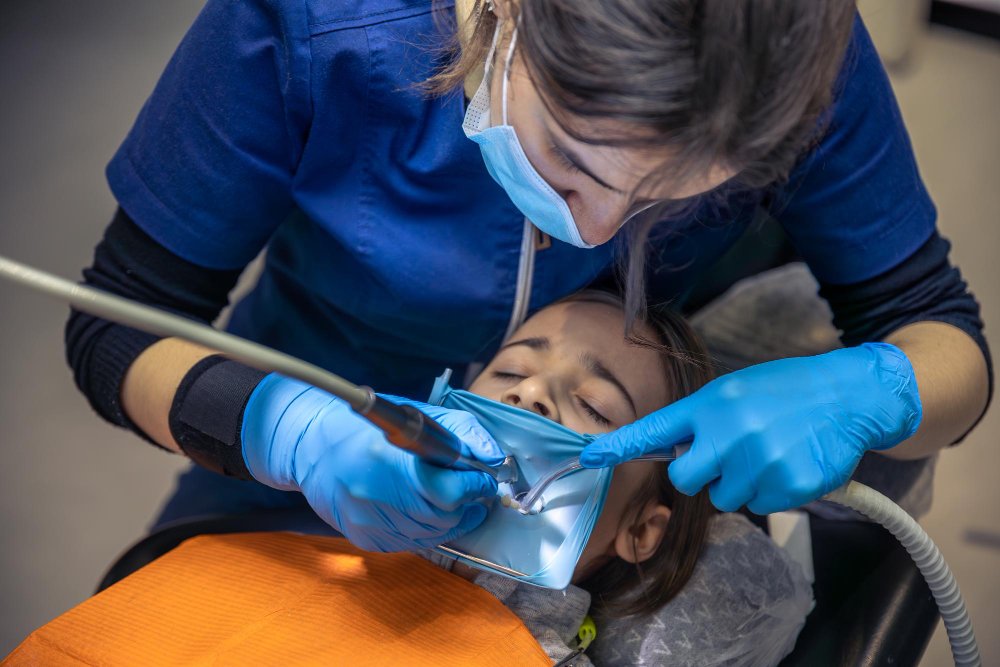
Children require specialized dental care because their teeth, gums, and emotional needs are different from adults. A pediatric emergency dentist understands how to communicate with young patients and provide age-appropriate treatment.
Emergency dental care for children may include:
- Evaluating dental injuries
- Managing pain and discomfort
- Treating infections
- Repairing damaged teeth
- Providing guidance after accidents
The goal is to address the immediate problem while supporting long-term oral health.
Parents can learn more about child-focused dental services and the dental team by visiting the Kids Dental Corner about us page.
Preventing Pediatric Dental Emergencies
While not every accident can be avoided, many dental emergencies can be reduced through healthy habits and preventive care.
Parents can help protect their child’s teeth by:
- Scheduling regular dental checkups
- Encouraging proper brushing and flossing habits
- Using protective mouthguards during sports
- Avoiding chewing hard objects
- Limiting sugary snacks and drinks
- Teaching children safe oral habits
Preventive dental care allows dentists to identify potential concerns before they become urgent problems.
When Should You Contact an Emergency Dentist in Burbank?
Parents should consider contacting an emergency dentist Burbank if their child experiences:
- Severe dental pain
- A dental injury from an accident
- Swelling or signs of infection
- A knocked-out permanent tooth
- Excessive bleeding
- A broken tooth causing discomfort
Prompt attention can reduce pain and help protect your child’s developing smile.
If you are unsure whether your child’s dental issue requires immediate care, professional guidance can help you make an informed decision. You can also explore pediatric dental care options by visiting the pediatric dentist Burbank services page.
Frequently Asked Questions About Pediatric Dental Emergencies
1. What qualifies as a dental emergency for a child?
A dental emergency includes situations involving severe pain, infection, swelling, bleeding, knocked-out teeth, or serious dental injuries. These problems may require immediate evaluation.
2. Should I take my child to an emergency dentist for a toothache?
If your child has severe or ongoing tooth pain, it is recommended to contact a dental professional. Persistent pain may indicate decay, infection, or another underlying issue.
3. How quickly should I see a dentist after my child loses a tooth?
A knocked-out permanent tooth should be treated as quickly as possible. Immediate dental care may improve the chances of saving the tooth.
4. Can a baby tooth injury affect permanent teeth?
Yes. Injuries to baby teeth can sometimes affect developing permanent teeth underneath. A dentist should evaluate significant injuries.
Conclusion
Pediatric dental emergencies require quick attention to protect your child’s comfort, oral health, and developing smile. Recognizing warning signs such as severe pain, swelling, broken teeth, or dental injuries allows parents to seek care at the right time.
Whether your child needs urgent treatment or advice after an accident, working with an experienced dental team can help address the problem safely and effectively. For questions about emergency dental care or to schedule an appointment, you can contact Kids Dental Corner and discuss your child’s dental needs with a professional team.