
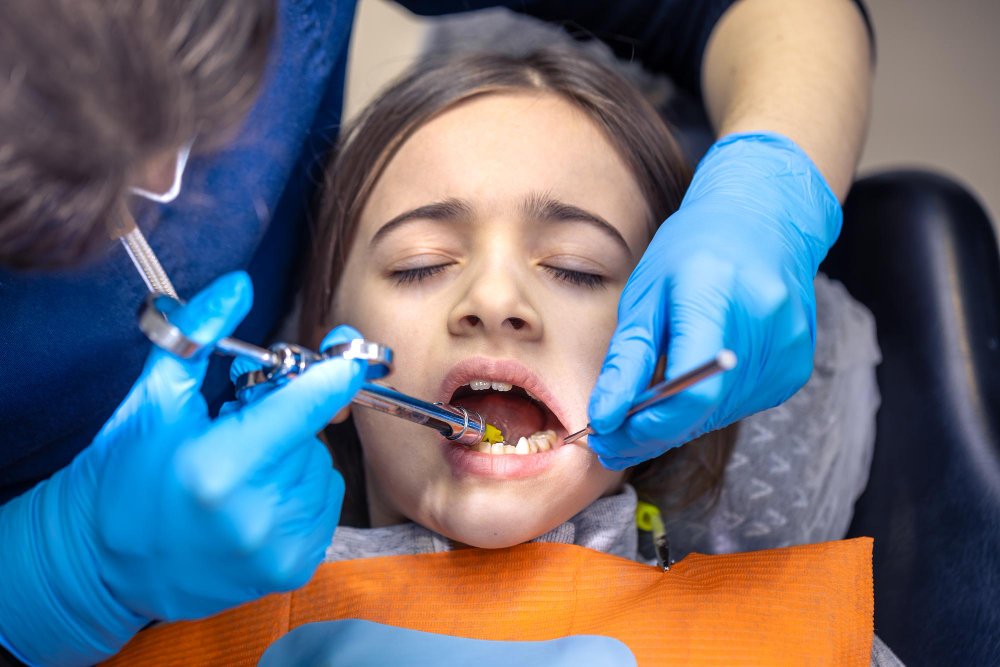
Oral health plays a critical role in a child’s overall development, comfort, and confidence. When tooth decay, damage, or developmental issues occur, Pediatric Restorative Dentistry focuses on restoring function while supporting healthy growth. Unlike adult dental care, restorative treatments for children are designed to protect developing teeth, preserve space for permanent teeth, and prevent future complications.
At practices such as Kids Dental Corner, pediatric dental care is centered around age-appropriate techniques, materials, and education to help children maintain healthy smiles through every stage of development. This guide explains what pediatric restorative dentistry involves, when treatments are needed, and how parents can make informed decisions about their child’s dental care.
Understanding Pediatric Restorative Dentistry
Pediatric Restorative Dentistry refers to dental procedures used to repair damaged, decayed, or compromised teeth in children. These treatments restore normal tooth structure and function while supporting proper oral development.
Children’s teeth are different from adult teeth. They are smaller, have thinner enamel, and are more vulnerable to decay. A qualified pediatric dentist understands these differences and tailors restorative solutions accordingly.
Restorative care is not only about fixing teeth. It also helps prevent infection, supports speech development, maintains proper chewing function, and reduces the risk of orthodontic issues later in life.
Why Restorative Dental Care Is Important for Children
Early dental problems can lead to long-term oral health issues if left untreated. Restorative dentistry helps prevent complications that may affect permanent teeth and jaw development.
Key benefits include:
- Preventing the spread of tooth decay
- Maintaining space for permanent teeth
- Reducing pain and infection
- Supporting proper nutrition and speech
- Encouraging positive dental habits
Families seeking consistent pediatric dental care often benefit from early diagnosis and conservative restorative solutions.
Common Conditions That Require Restorative Treatment
Children may need restorative dental care for several reasons. These conditions are common and manageable when addressed promptly by a pediatric dentist burbank or similar specialist.
Tooth Decay (Cavities)
Dental caries remain one of the most common childhood conditions. Cavities can develop quickly in primary teeth and often require fillings or crowns.
Tooth Fractures or Trauma
Accidents during sports or play can lead to chipped or broken teeth. Restorative treatments help protect the tooth and restore appearance.
Developmental Defects
Some children are born with enamel defects or weakened tooth structure that require restorative support to prevent further damage.
Early Tooth Loss
Premature loss of baby teeth can affect spacing and alignment. Restorative or space-maintaining solutions help guide proper development.
Pediatric Dental Fillings Explained
Dental fillings are among the most common restorative treatments in pediatric dentistry. They repair cavities by removing decayed material and filling the space with a durable substance.
Types of Fillings Used in Pediatric Dentistry
Composite (Tooth-Colored) Fillings
These are commonly used because they blend naturally with the tooth and require minimal removal of healthy structure.
Glass Ionomer Fillings
Often used in younger children, these release fluoride to help protect against future decay.
A pediatric dentist selects the appropriate material based on the child’s age, tooth location, and extent of decay.
Pediatric Dental Crowns and When They Are Needed
When a tooth has extensive decay or structural damage, a filling may not provide enough support. In these cases, crowns are recommended.
Stainless Steel Crowns
These are commonly used on baby teeth due to their durability and ability to withstand chewing forces. They are often placed after pulp therapy or severe decay.
Tooth-Colored Crowns
For front teeth or visible areas, aesthetic crowns may be used to restore appearance and function.
Pediatric restorative services like those described in comprehensive restorative dentistry for children focus on preserving teeth until natural exfoliation occurs.
Pulp Therapy and Nerve Treatments for Children
When decay reaches the inner pulp of a tooth, pulp therapy may be required to save it. This procedure removes infected tissue while preserving the remaining tooth structure.
Types of Pulp Therapy
- Pulpotomy: Removal of infected pulp from the crown of the tooth
- Pulpectomy: Complete removal of pulp tissue from the tooth
These procedures are common in pediatric dentistry and help prevent premature tooth loss.
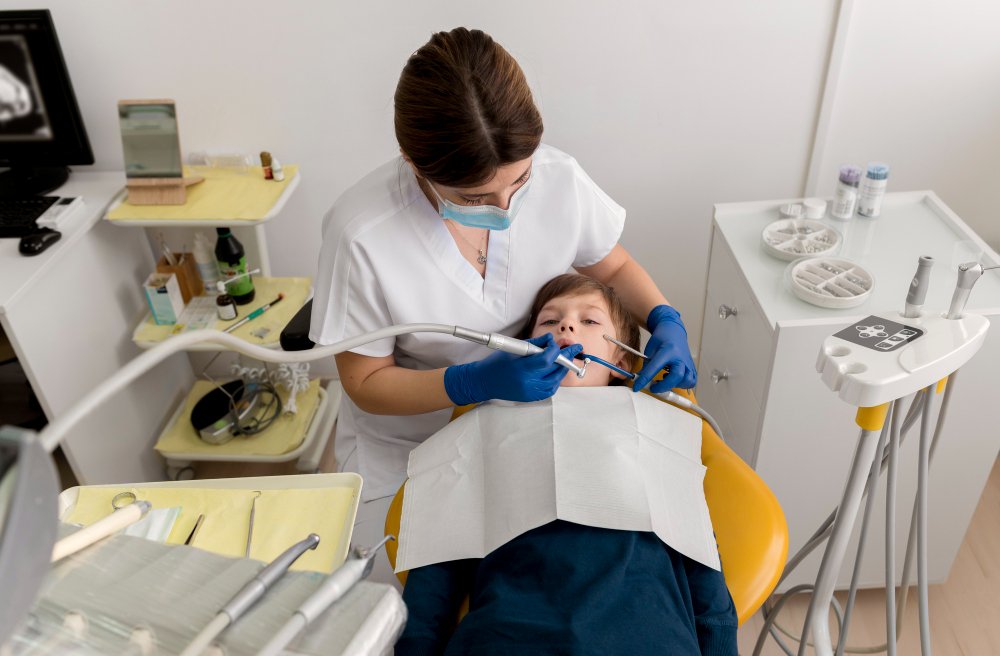
Space Maintainers and Their Role in Restorative Care
If a child loses a tooth too early, space maintainers help prevent surrounding teeth from shifting. This supports proper eruption of permanent teeth and reduces the need for orthodontic treatment later.
A Kids Dentist Burbank experienced in growth-based dental planning may recommend space maintainers as part of a comprehensive restorative approach.
How Pediatric Dentists Approach Restorative Care
A trained pediatric dentist burbank follows a child-centered approach that prioritizes comfort, safety, and long-term oral health.
Key Principles of Pediatric Restorative Dentistry
- Conservative treatment planning
- Age-appropriate materials and techniques
- Emphasis on prevention and education
- Clear communication with parents
Practices like Kids Dental Corner focus on building trust and helping children feel comfortable during restorative procedures.
The Importance of Early Diagnosis and Prevention
While restorative dentistry repairs damage, prevention remains the primary goal. Regular dental checkups allow early detection of issues before extensive treatment is needed.
Preventive strategies include:
- Fluoride treatments
- Dental sealants
- Oral hygiene education
- Dietary guidance
Routine visits to a pediatric dentist support early intervention and reduce the need for complex restorative procedures.
Choosing the Right Pediatric Dentist
Selecting a qualified provider is essential for effective restorative care. Parents should look for experience, credentials, and a focus on child-specific dental needs.
Families searching for a trusted pediatric dentist burbank often prioritize providers who emphasize preventive education alongside restorative treatment.
How Parents Can Support Restorative Outcomes at Home
Parental involvement plays a vital role in the success of pediatric restorative treatments.
Helpful practices include:
- Supervising daily brushing and flossing
- Limiting sugary snacks and beverages
- Following post-treatment care instructions
- Scheduling regular dental visits
Consistent home care supports the longevity of restorations and promotes overall oral health.
When Restorative Dentistry Is Delayed
Delaying treatment can lead to complications such as infection, pain, and damage to developing permanent teeth. Early intervention through pediatric restorative dentistry helps avoid these outcomes and supports healthy growth.
Conclusion
Pediatric Restorative Dentistry plays an essential role in protecting children’s oral health and development. From fillings and crowns to pulp therapy and space maintenance, restorative treatments are designed to preserve function, comfort, and confidence.
Working with an experienced pediatric dental provider ensures that treatments are age-appropriate, conservative, and focused on long-term outcomes. If you would like more information or wish to schedule an appointment, you can contact us to learn more about restorative dental options for children.
Frequently Asked Questions (FAQ)
1. What is Pediatric Restorative Dentistry?
Pediatric Restorative Dentistry focuses on repairing and preserving children’s teeth affected by decay, damage, or developmental issues using child-specific techniques and materials.
2.Are dental fillings safe for children?
Yes. Fillings used in pediatric dentistry are safe, durable, and selected based on the child’s age and dental needs.
3. When does a child need a dental crown?
Crowns are recommended when a tooth has extensive decay or damage that cannot be restored with a filling alone.
4. Can baby teeth really affect permanent teeth?
Yes. Healthy baby teeth guide proper alignment and spacing for permanent teeth, making restorative care essential.
5. How often should children see a pediatric dentist?
Children should visit a pediatric dentist every six months or as recommended based on individual oral health needs.