
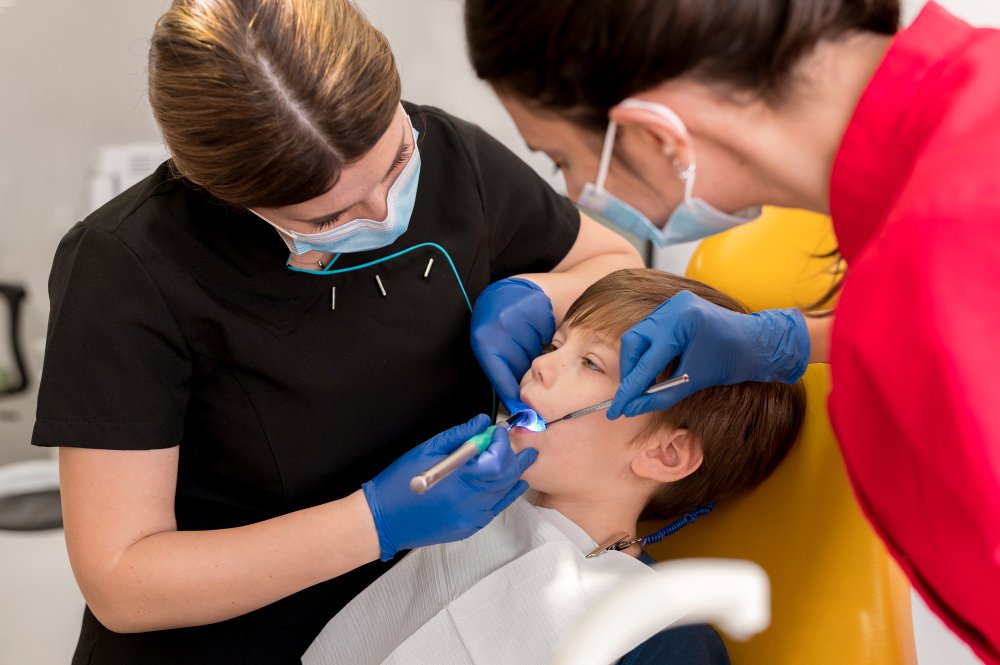
Early childhood is a critical time for establishing lifelong health habits, and dental care is no exception. The period from a child’s first tooth through age three plays a major role in oral development, speech formation, nutrition, and overall well-being. Many parents assume that baby teeth are temporary and therefore less important, but early dental health has a lasting impact on permanent teeth and jaw alignment.
Families seeking guidance from trusted providers such as Kids Dental Corner often learn that proactive dental care in infancy can prevent common issues like early childhood cavities, gum infections, and feeding-related oral problems. Understanding what to expect during these early years empowers parents to make informed decisions and build a strong foundation for their child’s smile.
This guide explores the stages of early childhood dental care, explains when to visit a pediatric dentist, and outlines practical steps parents can take to protect oral health from birth to age three.
Why Early Dental Care Matters
Early dental care supports healthy tooth development, proper chewing, and speech formation while helping prevent cavities that can affect long-term oral health.
The Role of Baby Teeth in Development
Primary teeth help children chew properly, develop clear speech, and maintain space for permanent teeth. When baby teeth are lost too early due to decay or trauma, surrounding teeth may shift, leading to alignment problems later.
Proper dental care during infancy supports healthy jaw growth and reduces the risk of orthodontic concerns. Early attention also helps children become comfortable with dental visits, reducing anxiety as they grow.
Preventing Early Childhood Tooth Decay
Early childhood caries is one of the most common chronic conditions affecting young children. It can develop quickly, often before parents realize there is a problem. Regular guidance from a pediatric dentist helps identify risk factors early, including feeding habits, oral hygiene routines, and genetic predisposition.
Families working with providers who specialize in pediatric dental care benefit from age-appropriate preventive strategies designed specifically for infants and toddlers.
When Does Dental Care Begin?
Dental care begins before the first tooth appears, with gentle gum cleaning, and continues with the first dental visit by a child’s first birthday.
Oral Care Before the First Tooth
Dental care begins well before the first tooth erupts. Even newborns benefit from gentle oral hygiene. Parents should clean their baby’s gums daily using a soft, damp cloth, especially after feedings.
This practice removes bacteria, familiarizes infants with oral care, and prepares them for toothbrushing later. A pediatric dentist can provide personalized guidance on early oral hygiene techniques during initial consultations.
The First Tooth and First Dental Visit
Most babies get their first tooth between six and twelve months of age. Dental professionals recommend scheduling a child’s first dental visit by their first birthday or within six months of the first tooth appearing.
Parents searching for a pediatric dentist burbank often choose practices experienced in treating very young children. Early visits focus on education, risk assessment, and building trust rather than treatment.
Choosing the Right Pediatric Dentist
A pediatric dentist is trained to manage the unique dental and developmental needs of infants and young children in a supportive environment.
Why Pediatric Dentists Are Different
A pediatric dentist receives specialized training in child development, behavior management, and preventive dental care for infants and toddlers. Their offices are designed to be welcoming and child-friendly, which helps young patients feel comfortable.
Parents looking for a Kids Dentist Burbank often prioritize providers who understand the emotional and developmental needs of young children while delivering evidence-based care.
Establishing a Dental Home
A dental home is an ongoing relationship between a child and a dental care provider. Establishing this relationship early allows for continuous monitoring of oral development, consistent preventive care, and prompt treatment when needed.
Practices like Kids Dental Corner emphasize continuity of care, ensuring families receive reliable guidance as their child grows.
Dental Care From Birth to Age One
During this stage, oral care focuses on cleaning the gums, managing teething discomfort, and establishing healthy feeding habits that protect emerging teeth.
Feeding Practices and Oral Health
Feeding habits directly affect oral health. Frequent exposure to sugary liquids, including milk or juice at bedtime, increases the risk of decay. Parents should avoid putting babies to sleep with bottles unless they contain water.
A pediatric dentist can provide tailored advice on feeding routines that support healthy teeth while meeting nutritional needs.
Teething and Gum Care
Teething can cause discomfort, drooling, and irritability. Parents should avoid teething gels with numbing agents and instead use safe methods such as chilled teething rings.
Maintaining clean gums during teething is essential. Gentle cleaning helps reduce inflammation and bacterial buildup.
Dental Care From Age One to Two
As teeth erupt, parents should begin brushing with fluoride toothpaste while monitoring tooth development and maintaining consistent oral hygiene routines.
Introducing Toothbrushing
Once the first tooth appears, brushing should begin immediately. Parents should use a soft-bristled toothbrush and a smear of fluoride toothpaste roughly the size of a grain of rice.
Consistent brushing twice a day is a cornerstone of effective dental care during this stage. Supervision is essential to ensure proper technique and prevent swallowing toothpaste.
Monitoring Tooth Eruption Patterns
Every child develops at a unique pace, but significant delays or irregular eruption patterns may require professional evaluation. A pediatric dentist can assess whether development falls within normal ranges.
Parents seeking guidance for toddlers often rely on specialized services such as dental care for kids under 3 to ensure age-appropriate support.
Dental Care From Age Two to Three
Toddlers benefit from guided brushing, reduced sugar intake, and regular dental visits to reinforce habits that prevent early childhood tooth decay.
Building Daily Oral Hygiene Habits
Toddlers are more independent but still need assistance with brushing. Parents should continue brushing their child’s teeth until they demonstrate adequate dexterity, usually around age six or seven.
Making oral hygiene part of a daily routine helps children understand its importance and reduces resistance over time.
Managing Diet and Sugar Exposure
Diet plays a critical role in dental health. Limiting sugary snacks and drinks reduces cavity risk. Encouraging water between meals and offering tooth-friendly snacks like fruits, vegetables, and cheese supports healthy enamel.
A pediatric dentist can help parents identify hidden sugars in common toddler foods and beverages.
Common Dental Issues in Early Childhood
Young children may experience cavities, teething discomfort, or habits such as thumb sucking that can influence oral development if left unaddressed.
Early Childhood Cavities
Cavities can develop rapidly in young children, especially when oral hygiene is inconsistent. Early signs include white spots on teeth, sensitivity, or visible discoloration.
Routine visits to a pediatric dentist burbank help detect and address these issues before they progress.
Thumb Sucking and Pacifier Use
Prolonged thumb sucking or pacifier use can affect tooth alignment and jaw development. Most children naturally stop by age two to four.
A pediatric dentist can advise when intervention may be necessary and recommend gentle strategies to encourage cessation.
The Role of Preventive Pediatric Dental Care
Preventive care includes routine checkups, fluoride use, and early assessments that help identify and reduce dental risks before problems develop.
Fluoride and Sealants
Fluoride strengthens enamel and helps prevent decay. Pediatric dentists evaluate fluoride exposure from water and toothpaste to determine if additional treatments are needed.
In some cases, protective sealants may be recommended to shield vulnerable tooth surfaces.
Regular Dental Checkups
Routine dental visits every six months allow providers to monitor development, reinforce oral hygiene habits, and address concerns early.
Families who establish care with a trusted Kids Dentist Burbank benefit from consistent, preventive-focused guidance throughout early childhood.
How Parents Can Support Lifelong Dental Health
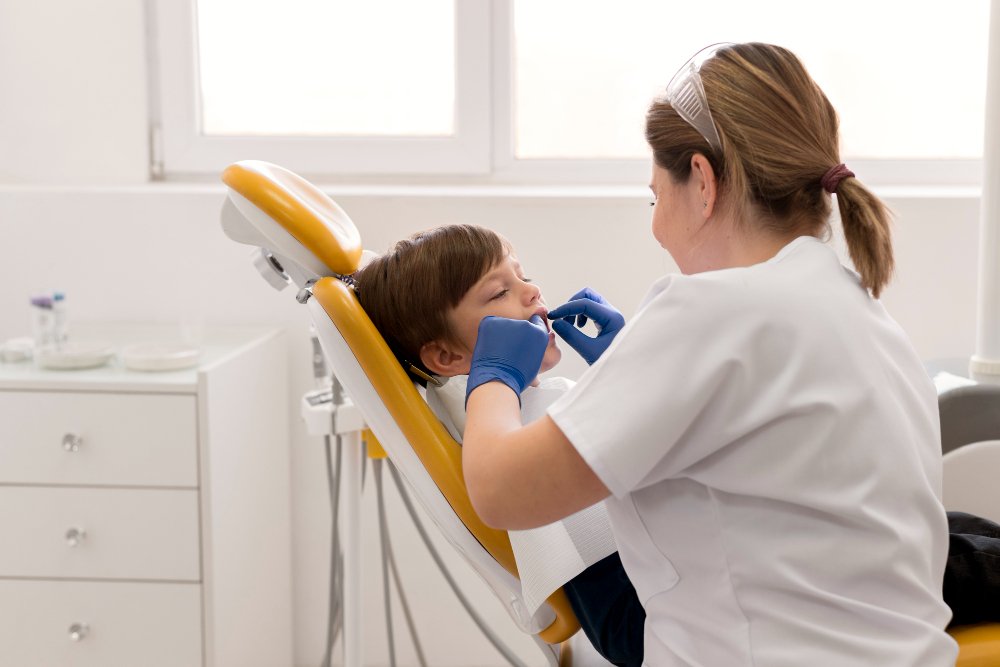
Parents play a key role by modeling good oral hygiene, maintaining healthy routines, and scheduling regular visits with a pediatric dental provider.
Creating a Positive Dental Experience
Children often mirror their parents’ attitudes toward dental care. Staying calm, using positive language, and avoiding negative dental stories helps children feel secure.
Early visits to providers such as Kids Dental Corner focus on education and comfort rather than treatment, helping children associate dental care with positive experiences.
Knowing When to Seek Professional Advice
Any signs of pain, swelling, or changes in eating behavior should prompt a dental consultation. Early intervention reduces discomfort and prevents complications.
Parents are encouraged to seek guidance from experienced pediatric dental professionals whenever concerns arise.
Conclusion
From the first tooth through age three, early childhood dental care shapes a child’s oral health for years to come. Establishing good habits early, choosing a qualified pediatric dentist, and maintaining regular checkups all contribute to healthy development.
Parents looking to support their child’s dental health can benefit from professional guidance tailored to infants and toddlers. To learn more or schedule a visit, reach out through contact us and take the first step toward building a strong foundation for your child’s smile.
Frequently Asked Questions
1. When should my child first see a pediatric dentist?
A child should visit a pediatric dentist by their first birthday or within six months of the first tooth erupting.
2. How often should toddlers have dental checkups?
Most children benefit from dental visits every six months, unless a pediatric dentist recommends a different schedule.
3. Is fluoride safe for young children?
Yes, when used correctly. Pediatric dentists recommend age-appropriate fluoride use to strengthen enamel and prevent decay.
4. Can baby teeth really affect permanent teeth?
Yes. Healthy baby teeth guide proper spacing and alignment for permanent teeth and support normal jaw development.
5. What should I do if my toddler resists brushing?
Consistency, patience, and positive reinforcement are key. A pediatric dentist can offer strategies to make brushing easier and more effective.