
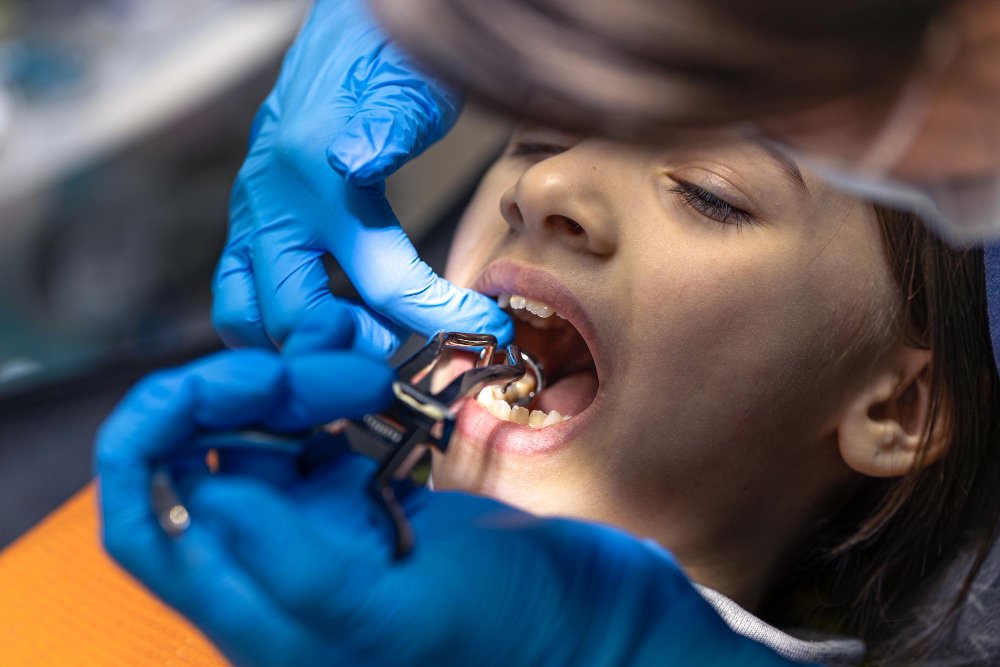
Babies under two years old are curious, mobile, and prone to small accidents, especially once they start crawling, pulling up on furniture, or taking their first steps. Falls, bumps, and bites are common at this stage, and many of these accidents involve the mouth, lips, gums, or teeth. While most baby mouth injuries look more alarming than they actually are, some situations do require prompt attention from a professional.
At Kids Dental Corner, we understand how stressful it can be to see your infant bleeding or crying after a fall. This guide walks parents through the common types of mouth injuries in infants under two, what to do immediately after an accident, and when it is time to call a pediatric emergency dentist.
Why Mouth Injuries Are Common in Infants Under Two
Infants between six months and two years are at a stage where they are learning to sit, crawl, stand, and walk. Their balance is still developing, and they often fall forward, which puts the mouth and face at higher risk than other body parts. Additionally, many babies this age are teething, which means they chew on objects, furniture edges, and even their own hands, increasing the chances of minor mouth trauma.
Common causes of baby mouth injuries include:
- Falling while learning to walk or stand
- Tripping over toys or uneven surfaces
- Biting down hard on a hard object or toy
- Falling from a low height, such as a couch or bed
- Accidental bumps during play with siblings or pets
Understanding these causes can help parents childproof their homes and reduce the risk of accidents, though it is impossible to prevent every fall.
Types of Baby Mouth Injuries
Mouth injuries in infants can range from very minor to more serious. Knowing the difference helps parents respond calmly and appropriately.
Cut or Bitten Lip
A cut or bitten lip is one of the most frequent injuries in babies. It usually happens during a fall or when a baby bites down on their own lip while teething. Lips have a rich blood supply, so even a small cut can bleed heavily and look worse than it is.
Injured Tongue
Babies sometimes bite their tongue while eating, playing, or falling. Like the lip, the tongue bleeds easily due to its blood vessels, but most tongue injuries heal on their own within a few days.
Gum Injuries
A fall or bump can cause swelling, bruising, or minor bleeding in the gums. This is particularly common in babies who are actively teething, since their gums are already sensitive.
Chipped or Broken Baby Tooth
If a baby has already started getting teeth, a fall can chip or fracture a tooth. This requires evaluation by an emergency dentist for children to check for nerve damage or further complications.
Knocked-Out or Displaced Tooth
In more serious falls, a baby tooth may become loose, pushed out of position, or completely knocked out. This type of injury needs prompt attention from a pediatric emergency dentist, since it can affect the development of permanent teeth later on.
Injury to the Inside of the Cheek
Babies can also bite or injure the inside of their cheek, which may cause a small sore or bruise that heals within a week.
What Parents Should Do Immediately After a Mouth Injury
Staying calm is the first and most important step, since babies often take their emotional cues from their parents. Here is a general approach to follow:
- Stay calm and comfort your baby. Crying is normal and does not always indicate a serious injury.
- Check the mouth gently. Use clean hands or a soft cloth to look inside the mouth for cuts, swelling, or loose teeth.
- Control any bleeding. Apply light pressure with a clean, damp cloth or gauze for a few minutes.
- Offer a cold compress. A cold, damp washcloth or a chilled teething ring can help reduce swelling on the lips or gums.
- Watch for signs of a more serious injury. This includes a knocked-out tooth, a large cut, difficulty breathing, or persistent bleeding.
- Avoid giving food or drink immediately if there is a cut inside the mouth, since this can irritate the area.
Most minor injuries, such as a small lip cut or slight gum bruising, can be managed at home with basic first aid and close observation.
When to Seek Emergency Dental Care
While many baby mouth injuries are minor, certain signs mean it is time to visit an emergency dentist rather than waiting for a regular appointment. Parents should seek emergency kids dental care if they notice any of the following:
- Bleeding that does not stop after 10 to 15 minutes of gentle pressure
- A tooth that is chipped, cracked, loose, or completely knocked out
- A deep cut on the lip, tongue, or inside the cheek that may need stitches
- Visible swelling that continues to increase
- Signs of pain that do not improve with comfort measures
- A fever following the injury, which may indicate infection
- Difficulty eating, drinking, or closing the mouth normally
If you are ever unsure whether an injury is serious, it is safer to have your baby evaluated. Reaching out to an emergency dentist for children can provide peace of mind and help avoid complications with developing teeth and gums.
Home Care vs Emergency Dental Visit
The table below outlines common scenarios and whether home care is usually sufficient or if a visit to a pediatric emergency dentist is recommended.
| Type of Injury | Home Care Usually Sufficient | Emergency Dental Visit Recommended |
|---|---|---|
| Small cut on lip with light bleeding | Yes, apply pressure and cold compress | No, unless bleeding continues |
| Bitten tongue with minor bleeding | Yes, monitor for a few days | No, unless swelling worsens |
| Mild gum bruising during teething | Yes, use a cold teething ring | No |
| Chipped or fractured baby tooth | No | Yes, evaluation needed |
| Loose or displaced tooth | No | Yes, prompt visit needed |
| Knocked-out baby tooth | No | Yes, urgent visit needed |
| Deep cut requiring stitches | No | Yes, immediate care needed |
| Persistent bleeding beyond 15 minutes | No | Yes, immediate care needed |
This table is meant as a general guide. Every child is different, and parents should trust their judgment if something feels unusual, even if the injury seems minor.
How a Pediatric Emergency Dentist Can Help
A pediatric emergency dentist has specific training in treating infants and young children, which makes a significant difference in how comfortable and reassuring the visit feels for both the child and the parent. Unlike a general dentist, a pediatric specialist is familiar with the unique structure of baby teeth, the stages of dental development, and how injuries at this age can affect future tooth eruption.
During an emergency visit, the dentist will typically:
- Examine the mouth, lips, gums, and teeth for visible and hidden damage
- Take an X-ray if needed to check for issues beneath the gum line
- Clean and treat any cuts or wounds
- Stabilize a loose tooth if possible
- Provide guidance on at-home care and monitoring
- Discuss whether any follow-up appointments are needed
If your family is looking for reliable emergency dentistry, our team offers dedicated emergency dentistry for kids to help address these situations promptly and with care suited to young patients.
Preventing Mouth Injuries in Infants
While accidents cannot be fully avoided, parents can take a few practical steps to reduce the risk of mouth injuries at home:
- Use corner guards on furniture with sharp edges
- Keep floors clear of toys and clutter, especially in areas where your baby is learning to walk
- Supervise closely during playtime, particularly around stairs or hard surfaces
- Choose age-appropriate teething toys without hard or sharp edges
- Avoid letting your baby walk or crawl with objects in their mouth
Simple childproofing measures, combined with attentive supervision, go a long way in reducing the likelihood of serious injuries.
Choosing the Right Dental Care Provider
Having a trusted dental provider before an emergency happens can make a real difference in how quickly and calmly you are able to respond. Getting to know a local pediatric dentist ahead of time means your child is already comfortable with the environment and staff if an urgent visit is ever needed. Families in the area can learn more about our approach to child-focused dental care by visiting our page for a pediatric dentist in Burbank, where our team focuses on gentle, age-appropriate treatment for infants and young children.
Conclusion
Mouth injuries are a common part of early childhood, especially as babies under two become more mobile and curious about the world around them. Most minor injuries, such as small lip cuts or gum bruising, can be managed at home with calm reassurance and basic first aid. However, injuries involving teeth, deep cuts, or ongoing bleeding should always be evaluated by a professional.
Knowing when to seek help and having a trusted dental provider in mind can make these moments far less stressful for both parents and children. If your baby has experienced a mouth injury and you are unsure of the next steps, do not hesitate to contact us for guidance and support. To learn more about our practice and the team behind our care, visit our about us page.
Frequently Asked Questions
1. What should I do if my baby’s tooth gets knocked out during a fall?
Stay calm and check for other injuries first. Do not try to reinsert a baby tooth, as this can damage the developing permanent tooth underneath. Contact a pediatric emergency dentist as soon as possible for evaluation.
2. Is it normal for a baby’s mouth injury to bleed a lot?
Yes, the mouth has a rich blood supply, so even small cuts on the lip, tongue, or gums can bleed more than expected. Apply gentle pressure with a clean cloth and monitor closely. If bleeding does not slow down after 10 to 15 minutes, seek professional care.
3. How can I tell if my baby’s mouth injury needs emergency care?
Signs that require prompt attention include a chipped or loose tooth, a deep cut, ongoing bleeding, significant swelling, or if your baby seems to be in pain that does not improve with comfort measures.
4. Can a chipped baby tooth affect my child’s permanent teeth?
It can, depending on the severity of the injury. This is why it is important to have any chipped or fractured baby tooth checked by an emergency dentist for children rather than waiting.