
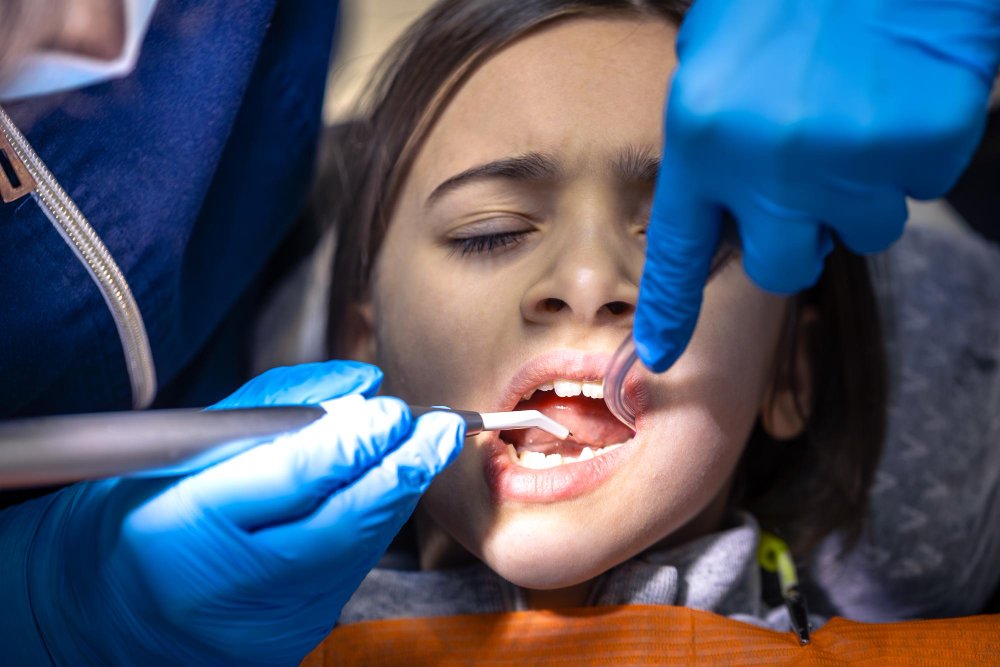
Maintaining good oral health in childhood is one of the strongest predictors of long-term dental wellness. Parents often wonder how frequently their child should visit the dentist, especially when it comes to preventive care such as pediatric dental cleaning. Understanding the right schedule helps prevent cavities, reduce dental anxiety, and support healthy development of teeth and gums.
At Kids Dental Corner, pediatric dental care is centered on prevention, education, and early intervention. Regular dental visits ensure that children not only maintain healthy teeth but also build lifelong oral hygiene habits.
For a general overview of pediatric dental services, you can refer to the Kids Dental Corner homepage.
Why Pediatric Dental Cleaning is Essential for Children
A pediatric dental cleaning is more than just a routine appointment. It plays a key role in protecting children from common dental problems such as cavities, plaque buildup, and early gum disease. Children are particularly vulnerable because their brushing habits are still developing, and they may not clean all areas of their mouth effectively.
Regular cleanings help in:
- Removing plaque and tartar buildup
- Preventing tooth decay
- Monitoring tooth eruption and alignment
- Educating children about proper oral hygiene
In addition, early visits help children become familiar with the dental environment, reducing fear and anxiety over time.
To understand what happens during preventive visits, parents can explore the detailed pediatric dental cleaning guide.
Recommended Frequency for Kids Dental Cleanings in Burbank
Most pediatric dentists recommend that children receive dental cleanings every six months. This schedule is widely accepted because it allows dentists to monitor oral development while preventing common dental issues before they worsen.
However, the ideal frequency may vary depending on individual risk factors.
Standard recommendation:
- Every 6 months for most children
Higher risk cases:
- Every 3 to 4 months if the child has:
- Frequent cavities
- Poor oral hygiene habits
- Orthodontic appliances
- High sugar diet
This preventive approach ensures that any developing issues are addressed early through routine dental services for kids.
For more structured information on timing and care expectations, parents can visit the pediatric dental cleaning Burbank guide.
What Happens During a Routine Dental Cleaning for Kids
Understanding the process of a dental visit helps parents prepare their children better. A routine dentist cleaning is designed to be gentle, educational, and preventive.
Step 1: Dental Examination
The dentist begins by examining the child’s teeth, gums, and overall oral health. This helps identify early signs of decay or alignment issues.
Step 2: Plaque and Tartar Removal
Using specialized instruments, plaque and tartar are carefully removed from tooth surfaces. This step is crucial because tartar cannot be removed by brushing alone.
Step 3: Professional Polishing
Teeth are polished to remove surface stains and smooth the enamel, making it harder for plaque to accumulate again.
Step 4: Fluoride Treatment
Fluoride strengthens enamel and protects against cavities. It is especially beneficial for children who are still developing strong brushing habits.
Step 5: Oral Hygiene Education
Children are taught proper brushing and flossing techniques tailored to their age and ability. These dental services for kids are structured to combine prevention with education, ensuring long-term benefits.
Differences Between Regular Cleaning and Deep Cleaning
While most children only require routine cleanings, some may need a dentist deep cleaning if there are signs of gum issues or excessive plaque buildup.
Regular cleaning includes:
- Surface plaque removal
- Polishing and fluoride application
- Preventive care and examination
Deep cleaning includes:
- Cleaning below the gum line
- Root planing to smooth tooth roots
- Treatment for gum inflammation or infection
A deep cleaning is not common in children but may be necessary in cases of poor oral hygiene or untreated dental issues. Regular checkups help prevent progression to this stage.
Importance of Consistent Dental Services for Kids
Consistency is one of the most important aspects of pediatric dental care. Skipping regular visits can lead to hidden dental problems that worsen over time.
Consistent dental services for kids help:
- Prevent cavities before they form
- Detect early signs of misalignment
- Support proper jaw development
- Maintain healthy gum tissue
When children follow a consistent schedule of pediatric dental cleaning, they are less likely to require invasive treatments in the future.
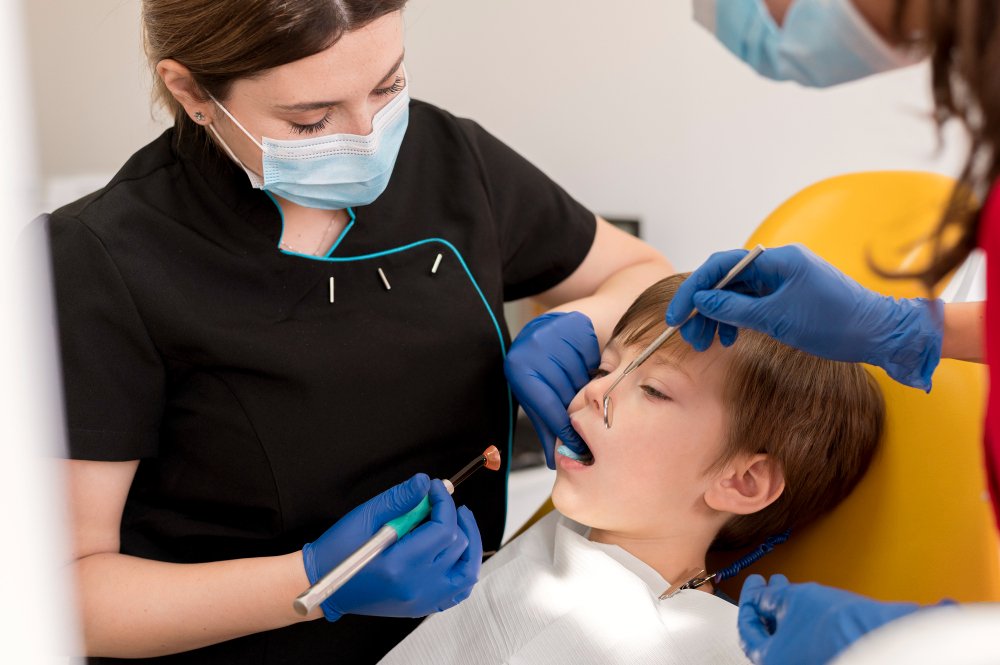
Age-Based Dental Cleaning Guidelines
Children’s dental needs change as they grow. Understanding these stages helps parents make informed decisions.
Infants (0–2 years)
- First visit should occur by the first tooth or first birthday
- Focus is on parental guidance and early prevention
Toddlers (2–5 years)
- Cleanings every 6 months
- Monitoring early cavities and brushing habits
Children (6–12 years)
- Regular biannual cleanings
- Introduction of sealants and fluoride treatments
Teens (13+ years)
- Continued preventive care every 6 months
- Monitoring wisdom teeth and orthodontic treatment
Parents can explore more structured recommendations on the pediatric dental cleaning Burbank page for age-specific care guidance.
Signs Your Child Needs Dental Care Sooner
Even with a regular schedule, some symptoms require immediate attention. Parents should watch for:
- Tooth sensitivity or pain
- Bleeding gums while brushing
- Persistent bad breath
- Visible cavities or dark spots
- Difficulty chewing food
These symptoms may indicate underlying dental issues that require immediate dental services for kids. Early intervention prevents complications and reduces the need for advanced treatment.
Role of Diet in Pediatric Oral Health
Diet plays a major role in dental health. Foods high in sugar and starch increase the risk of cavities, especially in children who may not brush effectively.
Foods to limit:
- Sugary snacks and candies
- Soft drinks and juices
- Sticky foods that cling to teeth
Foods that support oral health:
- Fresh fruits and vegetables
- Dairy products like milk and cheese
- Water for hydration and rinsing
Combining a balanced diet with regular pediatric dental cleaning helps maintain strong and healthy teeth.
Building Strong Oral Hygiene Habits at Home
Professional cleanings are important, but daily habits at home are equally essential.
Key habits to encourage:
- Brushing twice daily for two minutes
- Using fluoride toothpaste
- Flossing once a day
- Supervising brushing for younger children
Parents play a crucial role in ensuring these habits become part of a child’s daily routine. Reinforcing good habits reduces dependence on corrective treatments later.
Emotional Comfort and Pediatric Dentistry
Many children feel anxious about dental visits. Pediatric dental clinics are designed to create a comfortable and child-friendly environment.
Techniques used to reduce anxiety include:
- Gentle communication
- Positive reinforcement
- Step-by-step explanations
- Familiarisation visits
When children feel safe, they are more likely to cooperate during dentist cleaning appointments and maintain long-term oral health habits.
Long-Term Benefits of Regular Dental Cleanings
Consistent dental care provides lifelong benefits, including:
- Reduced risk of cavities
- Healthier gums and teeth
- Early detection of dental issues
- Reduced need for complex procedures
- Better overall health
Good oral health in childhood often leads to healthier adult teeth and fewer dental complications in later life.
Conclusion
Understanding how often should kids get dental cleanings in Burbank is essential for maintaining strong oral health from an early age. Most children benefit from cleanings every six months, although some may need more frequent visits depending on individual needs.
Regular pediatric dental cleaning, combined with proper home care and a balanced diet, helps prevent dental issues and ensures healthy development. Families who stay consistent with preventive care significantly reduce the risk of long-term dental problems.
For professional guidance or to schedule a visit, parents can connect through the contact Kids Dental Corner page.
FAQ
1. How often should kids get dental cleanings in Burbank?
Most children should have a dental cleaning every six months unless their dentist recommends otherwise.
2. What is included in a pediatric dental cleaning?
It includes examination, plaque removal, polishing, fluoride treatment, and oral hygiene instruction.
3. Is a dentist cleaning painful for children?
No, it is generally a gentle and painless procedure designed for comfort.
4. When is a dentist deep cleaning needed for kids?
It is only required in cases of gum disease or severe plaque buildup.