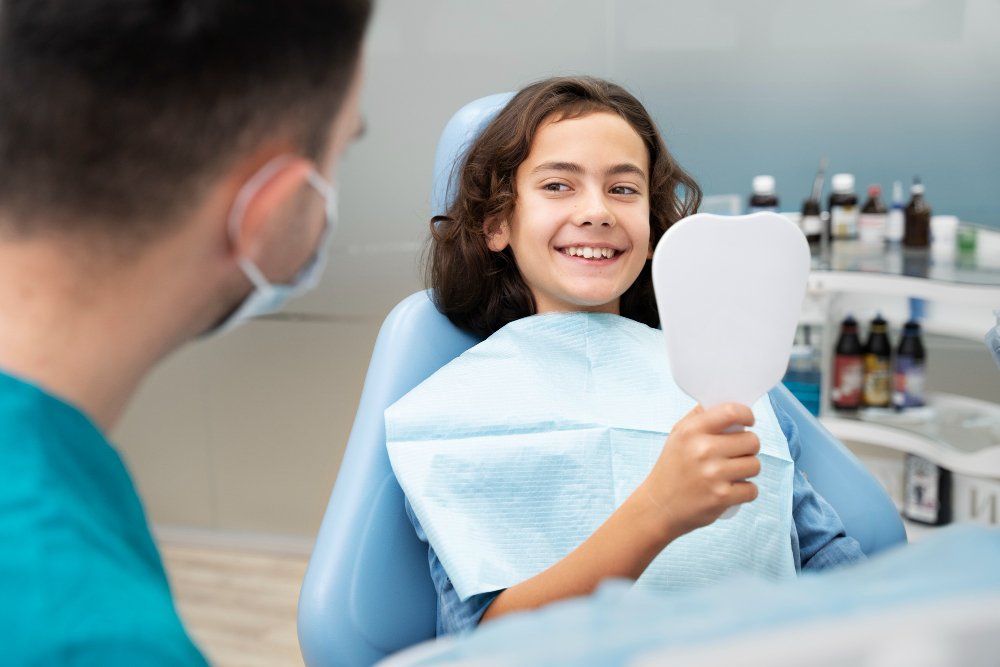
A child’s smile changes rapidly during their early years. As baby teeth fall out and permanent teeth begin to emerge, parents may notice crowding, spacing, bite concerns, or jaw alignment issues. While some dental changes are normal, others may require professional evaluation to prevent future complications. Understanding the right time for an orthodontic assessment can help families make informed decisions about their child’s oral health.
At Kids Dental Corner, families can access preventive and developmental dental care designed to support healthy smiles from infancy through adolescence. Early orthodontic evaluations allow dental professionals to identify concerns before they become more complex and costly to treat.
Why Orthodontic Evaluations Matter for Children
Orthodontic evaluations focus on the alignment of teeth, jaw development, and bite patterns. These assessments help determine whether a child may need braces, aligners, or other orthodontic treatment in the future.
Children’s mouths are still developing, which makes early intervention highly effective in many cases. During growth stages, orthodontists and pediatric dental professionals can guide jaw growth, create space for incoming teeth, and monitor habits that may impact oral development.
Many parents assume orthodontic care only begins during the teenage years. However, dental experts recommend evaluating children much earlier to detect developing problems before they worsen.
Families searching for a trusted pediatric dentist burbank often seek guidance about when orthodontic evaluations should begin and what signs to watch for at home.
What Age Should a Child Have Their First Orthodontic Evaluation?
The American Association of Orthodontists recommends children receive their first orthodontic evaluation by age seven. At this age, most children have a combination of baby teeth and permanent teeth, making it easier to identify developmental concerns.
An early evaluation does not necessarily mean a child will need braces immediately. Instead, it provides an opportunity to monitor growth and determine whether future treatment may be beneficial.
During an assessment, dental professionals evaluate:
- Jaw alignment
- Tooth eruption patterns
- Crowding or spacing
- Bite irregularities
- Thumb-sucking habits
- Speech-related dental concerns
- Airway development
A skilled pediatric dentist in burbank can help parents understand whether a child’s development is progressing normally or if additional orthodontic care may be needed later.
Signs Your Child May Need an Orthodontic Assessment
While age seven is the recommended milestone, some children may show signs of orthodontic issues earlier. Parents should pay attention to visible or functional concerns involving the teeth and jaw.
1. Early or Late Loss of Baby Teeth: Baby teeth act as placeholders for permanent teeth. Losing them too early or too late may affect how adult teeth erupt and align.
2. Difficulty Chewing or Biting: Children who struggle while chewing food or frequently bite their cheeks may have bite alignment problems.
3. Crowded or Crooked Teeth: Teeth that overlap or appear crowded can indicate insufficient space in the jaw for proper eruption.
4. Mouth Breathing: Persistent mouth breathing may influence facial growth and jaw development over time.
5. Thumb Sucking Beyond Early Childhood: Extended thumb sucking or pacifier use can contribute to bite issues and misaligned teeth.
6. Jaw Clicking or Shifting: If the jaw shifts while opening or closing, it could signal bite irregularities that deserve professional attention.
Parents often begin their search for a reliable burbank pediatric dentistry provider after noticing one or more of these signs during their child’s development.
What Happens During an Orthodontic Evaluation?
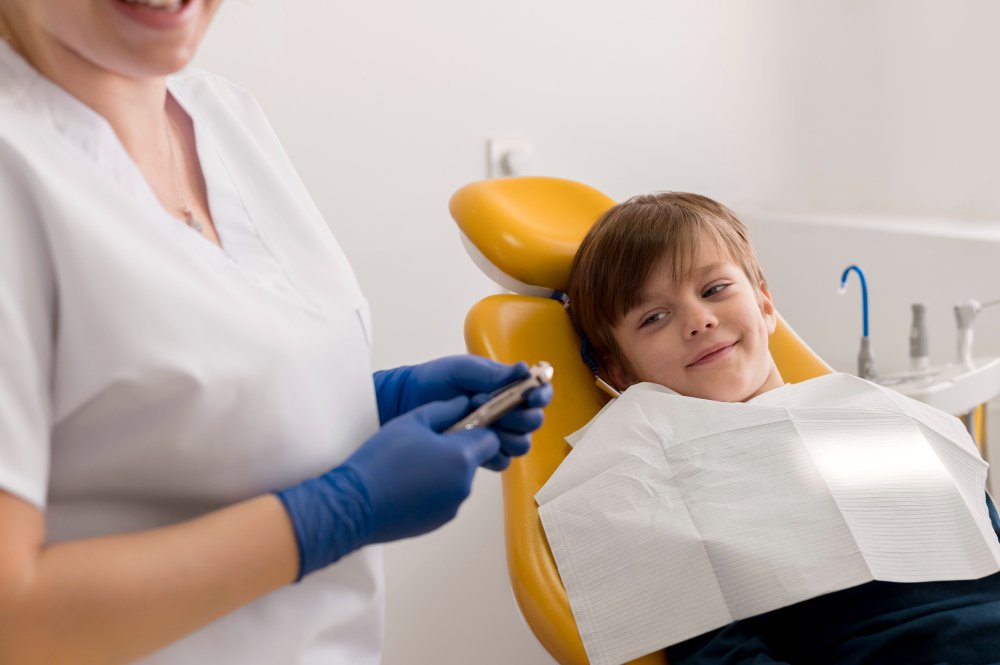
Orthodontic evaluations are generally simple, non-invasive, and comfortable for children. The appointment focuses on assessing dental growth and identifying potential concerns.
1. Dental Examination : The dentist examines the teeth, gums, bite, and jaw alignment to evaluate oral development.
2. Digital X-Rays : X-rays may be taken to see the position of developing permanent teeth beneath the gums.
3. Bite Analysis : The dentist checks how the upper and lower teeth fit together when biting and chewing.
4. Growth Monitoring : Jaw growth patterns and facial symmetry are evaluated to determine whether intervention may be necessary.
5. Discussion With Parents : Parents receive information about findings, treatment recommendations, and whether ongoing monitoring is needed.
At Kids Dental Corner’s orthodontic evaluation services, families can better understand their child’s oral development and long-term orthodontic needs.
Benefits of Early Orthodontic Evaluations
Early orthodontic assessments offer several long-term advantages for children and parents alike.
- Preventing Severe Alignment Issues: Detecting problems early may reduce the severity of future orthodontic complications.
- Guiding Jaw Growth: In some cases, orthodontic appliances can help direct jaw growth and improve bite function during development.
- Reducing the Need for Tooth Extraction: Creating space early may decrease the likelihood of future tooth extractions caused by overcrowding.
- Improving Speech and Chewing: Proper alignment can support clearer speech and more comfortable chewing.
- Supporting Better Oral Hygiene: Straight teeth are generally easier to clean, reducing the risk of cavities and gum disease.
Parents searching for a dependable pediatric dentist near me often prioritize practices that provide preventive orthodontic guidance alongside routine dental care.
Common Orthodontic Problems in Children
Orthodontic concerns can vary widely depending on a child’s age, habits, and genetics. Some of the most common issues include:
- Overbite: The upper front teeth overlap excessively over the lower front teeth.
- Underbite: The lower teeth extend beyond the upper teeth when biting.
- Crossbite: Some upper teeth sit inside the lower teeth rather than outside them.
- Open Bite: The upper and lower teeth do not meet properly when the mouth closes.
- Crowding: Insufficient jaw space causes teeth to overlap or twist.
- Spacing Issues: Large gaps between teeth may affect appearance and bite function.
Early evaluation allows these conditions to be monitored and addressed at appropriate stages of development.
How Pediatric Dentists Support Orthodontic Care
Pediatric dentists play an important role in identifying orthodontic concerns early. Since children visit pediatric dental offices regularly for cleanings and exams, these professionals are often the first to notice developmental irregularities.
A trusted Kids Dentist Burbank provider can monitor changes over time and recommend orthodontic evaluations when necessary.
Pediatric dental professionals also educate parents about:
- Oral hygiene during orthodontic treatment
- Preventive care strategies
- Habit correction
- Diet recommendations for developing teeth
- Long-term oral health planning
Routine dental visits remain essential even if a child eventually begins orthodontic treatment.
The Difference Between Phase 1 and Phase 2 Orthodontics
Parents may hear terms like “Phase 1” and “Phase 2” orthodontic treatment during evaluations. Understanding the distinction can help families feel more informed.
Phase 1 Orthodontics
Phase 1 treatment occurs while a child still has some baby teeth. The goal is to guide jaw growth and correct significant developmental problems early.
This phase may involve:
- Palatal expanders
- Space maintainers
- Partial braces
- Habit-correction appliances
Phase 2 Orthodontics
Phase 2 treatment typically begins after most permanent teeth have erupted. This stage often involves braces or aligners to fine-tune tooth positioning and bite alignment.
Not every child requires Phase 1 treatment. Many simply benefit from early monitoring before comprehensive treatment later.
How Parents Can Support Healthy Orthodontic Development
Good oral habits can positively influence a child’s dental development and reduce certain orthodontic risks.
- Encourage Proper Oral HygieneBrushing and flossing help maintain healthy teeth and gums throughout development.
- Limit Prolonged Thumb SuckingBreaking prolonged oral habits early may reduce bite complications.
- Schedule Regular Dental VisitsRoutine exams allow professionals to monitor changes and identify concerns early.
- Protect Teeth During SportsMouthguards help prevent injuries that could impact tooth alignment.
- Maintain a Balanced DietNutritious foods support healthy tooth and jaw development.
Families looking for comprehensive pediatric dental care near me often choose practices that emphasize preventive care and developmental monitoring throughout childhood.
When Orthodontic Treatment May Not Be Needed Immediately
An orthodontic evaluation does not always lead to immediate treatment. In many cases, dentists recommend observation periods to track growth and eruption patterns over time.
Children grow at different rates, and some alignment issues naturally improve as the jaw develops. Monitoring appointments allow dental professionals to determine the ideal timing for treatment if it becomes necessary later.
Parents should view early evaluations as a preventive and educational step rather than an indication that braces are guaranteed.
Conclusion
Orthodontic evaluations play an important role in supporting healthy dental development during childhood. Identifying alignment and bite concerns early can help prevent more serious complications later while improving comfort, function, and oral hygiene.
By scheduling evaluations at the recommended age and maintaining regular dental visits, parents can stay informed about their child’s oral growth and potential orthodontic needs. Early monitoring provides peace of mind and allows dental professionals to recommend treatment at the most appropriate stage of development.
Families interested in learning more about orthodontic evaluations or preventive pediatric dental services can contact the team at Kids Dental Corner for additional information and guidance.
Frequently Asked Questions
1. At what age should my child have their first orthodontic evaluation?
Most dental professionals recommend scheduling the first orthodontic evaluation by age seven. This allows early detection of alignment and jaw development concerns.
2. Does every child who gets evaluated need braces?
No. Many children only require monitoring during growth and may not need braces immediately or at all.
3. How long does an orthodontic evaluation take?
Most evaluations take between 30 and 60 minutes, depending on whether X-rays or additional assessments are needed.
4. Can thumb sucking affect orthodontic development?
Yes. Prolonged thumb sucking can contribute to bite problems and jaw alignment issues if the habit continues beyond early childhood.
5. Why are early evaluations important?
Early evaluations help identify problems before they become more severe, allowing for timely intervention and improved treatment outcomes.