
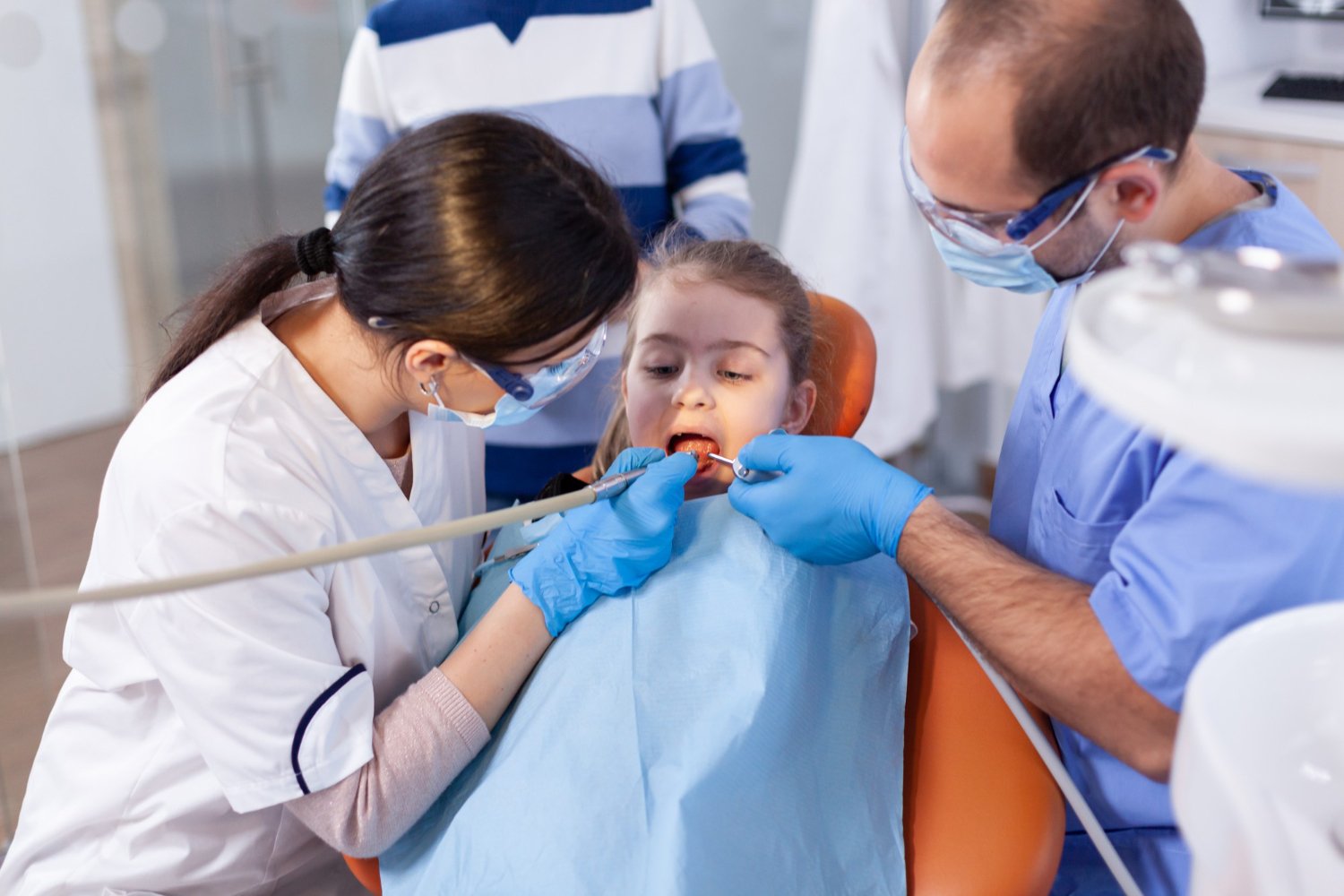
Many parents are surprised and concerned when a dentist says their child has cavities despite brushing every day. It can feel frustrating and confusing to do everything right and still see signs of tooth decay. Cavities are common among children, and despite good intentions, daily brushing alone may not always prevent them. Understanding the reasons behind cavities and how they form can help parents take proactive steps toward better dental health.
If you have been asking yourself why your child continues to develop cavities even with regular brushing, you are not alone. The issue is often more complex than just brushing habits. Diet, oral hygiene technique, genetics, and even saliva composition can all play a role.
If you are looking for guidance, a trusted pediatric dentist Burbank can help evaluate your child’s oral habits, provide preventive strategies, and recommend appropriate treatment. Working closely with an experienced dental professional can make a significant difference in long-term oral health.
What Are Cavities and How Do They Form?
Cavities, or dental caries, form due to a breakdown of tooth enamel caused by acids produced by bacteria. These bacteria feed on sugars and carbohydrates left on the teeth after eating. When acids attack the enamel repeatedly, the structure weakens and eventually forms small holes that become cavities.
Even with daily brushing, unnoticed plaque buildup, improper technique, and food choices can contribute to the development of cavities. Children are particularly vulnerable because their enamel is thinner and softer than adult enamel, making it easier for decay to progress.
Families looking for professional guidance can consult a Kids Dentist for thorough evaluation and preventive care.
Reasons Children Get Cavities Despite Brushing
1. Improper Brushing Technique
Children may brush daily, but often they rush or miss certain areas, such as the back molars, where food particles and plaque tend to accumulate. Young children may not have the dexterity to brush effectively. Brushing should last at least two minutes and cover all tooth surfaces, including the gumline.
Parents may need to supervise brushing until a child is about seven to eight years old. For guidance or brushing demonstrations, contacting a professional through a Kids Dentist Burbank can be helpful. You may also use online resources or verify techniques during routine exams.
2. Not Flossing
Flossing removes plaque and food debris between the teeth where the toothbrush cannot reach. Cavities commonly develop in these tight spaces. Many parents do not realize flossing must begin once two teeth touch, not later when the child is older.
A dentist pediatric dentistry specialist can help determine whether a child is flossing effectively. If flossing becomes part of a daily routine early in life, children are more likely to maintain it.
3. Frequent Snacking
Frequent snacking exposes teeth to sugar more often. Every time a child eats, especially carbohydrates or sugary snacks, the bacteria produce acid for up to 30 minutes. If snacks are consumed throughout the day, teeth may not get enough time to naturally remineralize.
Sticky snacks like fruit snacks, raisins, and gummy treats are especially problematic because they cling to the teeth longer than other foods. This type of eating pattern increases the risk of cavities regardless of brushing habits.
Limiting snacking and offering water instead of juice can significantly reduce the likelihood of cavities.
4. Sugary Drinks (Even When They Seem Healthy)
Juice, flavored milk, sports drinks, and even some smoothies may contain high amounts of sugar. Many parents don’t realize how much sugar is hidden in these drinks, especially if their child sips throughout the day or drinks them before bed.
If a child consumes sugary drinks frequently, brushing alone may not protect their teeth. Drinking water after meals can help reduce sugar exposure, but avoiding sugary beverages whenever possible is best.
5. Bedtime Bottles or Snacks
Sugary drinks or snacks before bed allow bacteria to remain active while saliva production decreases during sleep. Without enough saliva to wash away sugars, cavities form more easily.
If a child needs something before bedtime, water and tooth-friendly snacks like cheese are better choices.
6. Deep Grooves or Tooth Shape
Some children naturally have deeper grooves in their molars. These grooves can trap bacteria and food, even with thorough brushing. Dental sealants, offered at many practices like burbank pediatric dentistry providers, can protect these grooves and help prevent cavities.
Sealants work as a protective layer that blocks plaque from collecting in hard-to-clean areas. Sealants are non-invasive and typically recommended for molars once they erupt.
7. Genetics and Family History
Genetic factors can influence enamel strength, saliva composition, and even the oral bacteria environment. If parents experienced childhood cavities, their children may be at higher risk. While genetics cannot be changed, preventive strategies can help protect vulnerable teeth.
Scheduling regular pediatric dental care checkups allows dental professionals to monitor changes and apply preventive treatments when needed.
8. Lack of Fluoride Exposure
Fluoride plays an essential role in strengthening enamel and preventing cavities. Children who do not receive adequate fluoride exposure may be more susceptible to decay. Fluoride toothpaste, rinses, and professional treatments can be effective in strengthening enamel.
Parents unsure about fluoride exposure can reach out to a local Kids Dentist Burbank or a provider specializing in preventive dental care for children.
9. Dental Anxiety and Avoidance of Appointments
Some children experience anxiety about dental visits. Delayed exams make cavities more likely to progress unnoticed. Early detection allows treatment before decay becomes severe.
A family-friendly practice like Kids Dental Co. can help make experiences more comfortable, allowing children to build trust and familiarity with dental care professionals.
Preventing Cavities: What Parents Can Do
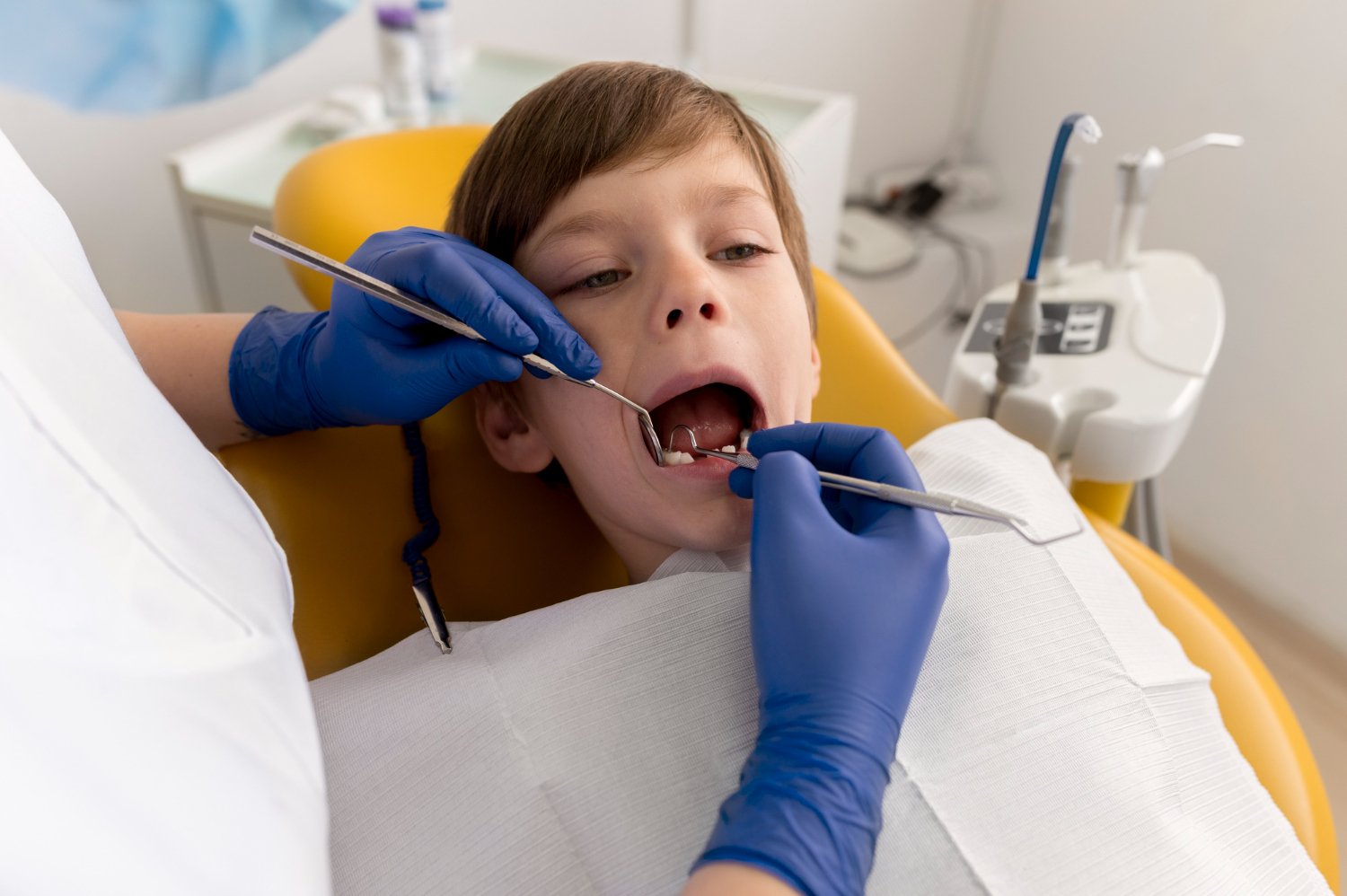
Cavities are preventable. With consistent effort and proper education, parents can significantly reduce their child’s risk of tooth decay.
1. Improve Brushing Routines
Use a soft-bristled toothbrush and fluoride toothpaste. Brush twice a day for two minutes each time. Children should not rinse immediately after brushing to allow fluoride to take effect.
The technique matters as much as the action. If you need guidance, consider reviewing techniques during a visit or contacting a professional through Kids Dental Co. contact page.
2. Introduce Flossing Early
Make flossing part of your child’s daily hygiene routine. Floss picks may be easier for small hands to use. Modeling proper flossing techniques can help children adopt the habit more quickly.
3. Monitor Diet and Reduce Sugary Foods
Encourage whole foods and minimize foods that stick to teeth. Offer cheese, yogurt, vegetables, and nuts instead of candy or crackers. If a sweet treat is allowed, serve it with a meal instead of as a stand-alone snack.
4. Schedule Regular Dental Visits
Twice-yearly visits to a trusted pediatric practice, such as pediatric dentist Burbank, can help prevent cavities. Routine cleanings and exams detect early signs of decay, making treatment easier.
5. Consider Sealants or Fluoride Treatments
Preventive care options like sealants and fluoride applications may be recommended by your dental provider. These treatments strengthen enamel and reduce decay risk, especially for back teeth.
If extractions or treatment are needed, providers offering services like gentle care, similar to those described at tooth extractions and pediatric supportive care, may help ease concerns about dental procedures.
When Cavities Still Happen
Even with effort, cavities can still occur. Children have unique oral environments and developing habits. Rather than feeling discouraged, treat cavities as a learning opportunity and adjust care routines. Consulting a team specializing in burbank pediatric dentistry can help ensure your child receives age-appropriate care tailored to their needs.
FAQ
1. Can cavities go away on their own?
Early demineralization can sometimes be reversed with fluoride and dietary adjustments. Once a cavity forms, however, a dentist must treat it.
2. How often should my child visit the dentist?
The American Academy of Pediatric Dentistry recommends dental visits every six months, or more frequently for children at higher risk.
3. Is fluoride safe for children?
Yes, when used properly. Fluoride strengthens enamel and helps prevent tooth decay.
4. Why are baby teeth important if they fall out anyway?
Baby teeth maintain spacing for adult teeth and support speech development and nutrition. Untreated decay can lead to infections and affect future dental health.
5. What should I do if my child fears dental visits?
Many practices designed for children offer comforting environments. Early exposure helps reduce anxiety over time.
Final Thoughts
It can be surprising and frustrating when children develop cavities despite brushing daily. However, cavities often result from a combination of factors beyond brushing alone. Understanding these causes and taking proactive steps can help protect your child’s smile. By working with a qualified provider and adopting healthy habits at home, families can reduce the risk of tooth decay and support long-term oral health.
Parents looking for pediatric dental care for their children can reach out to trusted professionals for preventive guidance, sealants, fluoride treatment, and treatment options if cavities develop. Combining routine dental visits, healthy habits, and proper technique can make a lasting difference in your child’s oral health.