Braces are commonly associated with adolescence, but orthodontic concerns often begin much earlier. Many children show indicators of misalignment, spacing issues or bite challenges long before the teenage years. These early signs may be subtle at first, but addressing them during developmental stages is often easier and more effective than waiting until the mouth and jaw are fully developed.
Parents may not always know when orthodontic evaluation should begin. In many cases, families wait until permanent teeth appear crooked or visibly out of place, not realizing that orthodontic monitoring ideally starts before these issues progress. A professional evaluation with a qualified specialist such as a pediatric dentist Burbank can determine whether early intervention is necessary.
This article explains the key signs that may indicate the need for braces earlier than expected. It also discusses why early assessments matter, how alignment affects overall oral development and what parents should consider when scheduling care.
Understanding the Importance of Early Orthodontic Evaluation
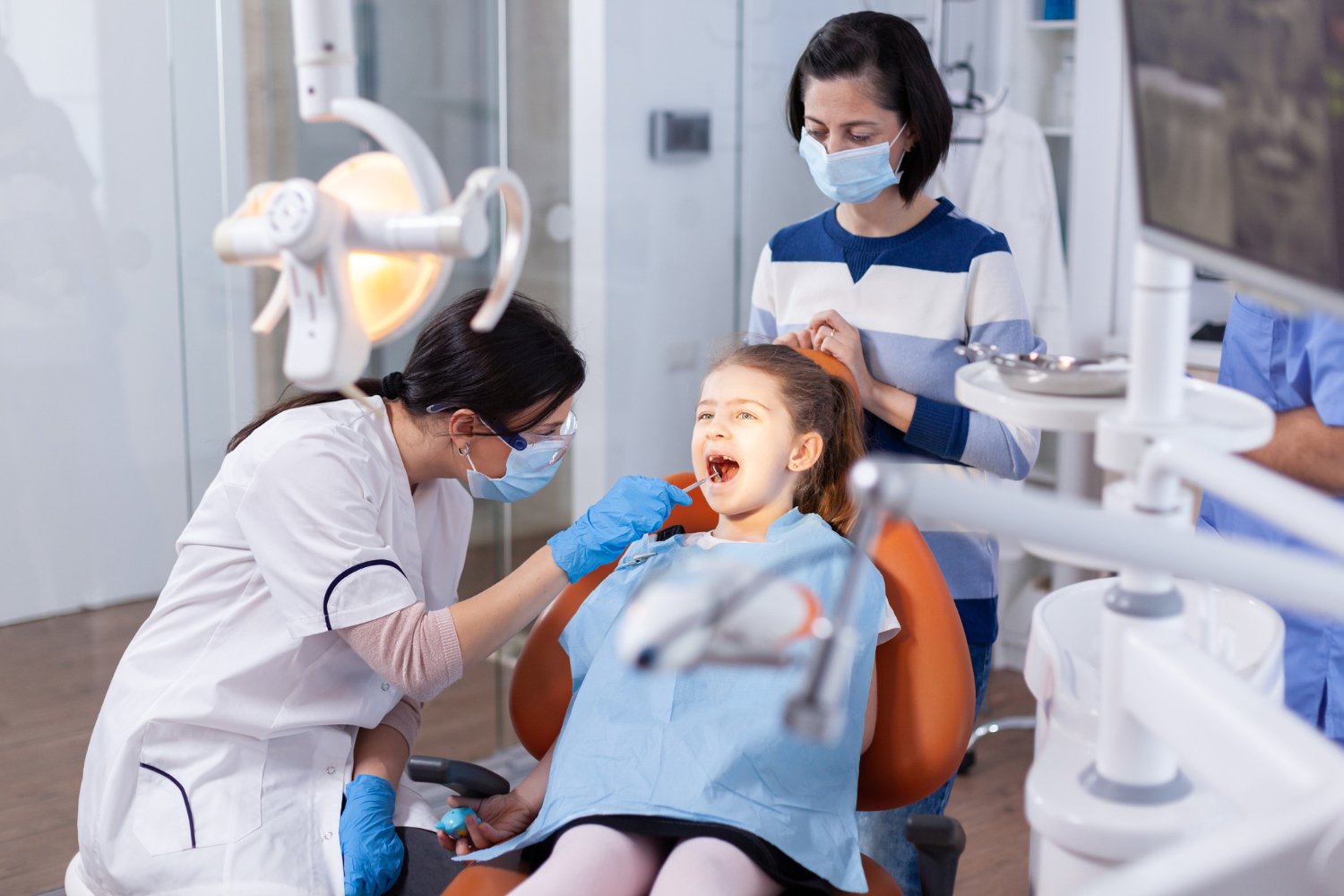
According to orthodontic and pediatric dental guidelines, children should receive their first orthodontic screening around age seven. At this stage, the first permanent molars and incisors usually emerge, offering valuable insight into growth patterns, spacing and bite development.
Parents often assume orthodontic care begins when all permanent teeth have erupted. However, early screening serves several purposes:
- Detecting alignment issues before they worsen
- Guiding jaw development while bones are still growing
- Preventing overcrowding and bite complications
- Supporting proper speech and chewing ability
- Reducing the need for extensive orthodontic treatment later
Early dental supervision ensures that any potential orthodontic concerns are monitored over time rather than addressed reactively. Scheduling regular visits with a provider such as a Kids Dentist Burbank allows the child’s growth and dental alignment to be tracked comprehensively.
Parents looking for consistent developmental monitoring can learn more about pediatric support services through reliable providers offering pediatric dental care.
Sign 1: Crowded Teeth, Overlapping Teeth or Misalignment
One of the most recognizable signs of potential orthodontic needs is visible tooth misalignment. Crowding occurs when permanent teeth come in without adequate space, causing them to overlap, rotate or appear crooked.
Crowding does not always resolve naturally as a child grows. In many cases, the underlying issue is not insufficient tooth size but limited jaw space. When misalignment begins early, intervention such as oral appliances or braces may guide spacing and prevent more severe problems later.
Crowded teeth may lead to:
- Difficulty brushing and flossing
- Increased cavity risk
- Higher risk of gum inflammation
- Potential damage to adjacent teeth
A specialist in Burbank pediatric dentistry can determine whether space maintainers, braces or ongoing monitoring will support alignment.
Sign 2: Difficulty Chewing or an Unusual Bite Pattern
A healthy bite allows upper and lower teeth to meet evenly when chewing. If your child complains that teeth do not line up, avoids certain foods or frequently bites the inside of their cheeks, bite misalignment may be present.
Bite concerns include:
- Overbite: Upper teeth extend significantly beyond lower teeth
- Underbite: Lower teeth extend beyond upper teeth
- Crossbite: Upper and lower teeth overlap incorrectly
- Open bite: Upper and lower teeth do not touch when biting down
These bite patterns can interfere with chewing and may contribute to speech issues or jaw discomfort. Functional concerns like these are important indicators that braces may be beneficial. An assessment with a pediatric dentist Burbank can confirm whether orthodontic treatment is needed.
Sign 3: Prolonged Pacifier Use or Thumb Sucking
Habit-based pressure on developing teeth and jaws can influence alignment, particularly when the habit continues past early childhood. Thumb sucking and pacifier use during infancy are normal; however, prolonged habits may reshape oral structures over time.
Extended sucking habits may cause:
- Protruding or improperly angled front teeth
- Narrow palate development
- Open bite formation
- Challenges with tongue posture and speech
Many children naturally outgrow oral habits, but if not, they may require behavioral guidance or orthodontic correction. Support from a professional specializing in dentist pediatric dentistry helps families navigate next steps.
Sign 4: Early Loss or Delayed Loss of Baby Teeth
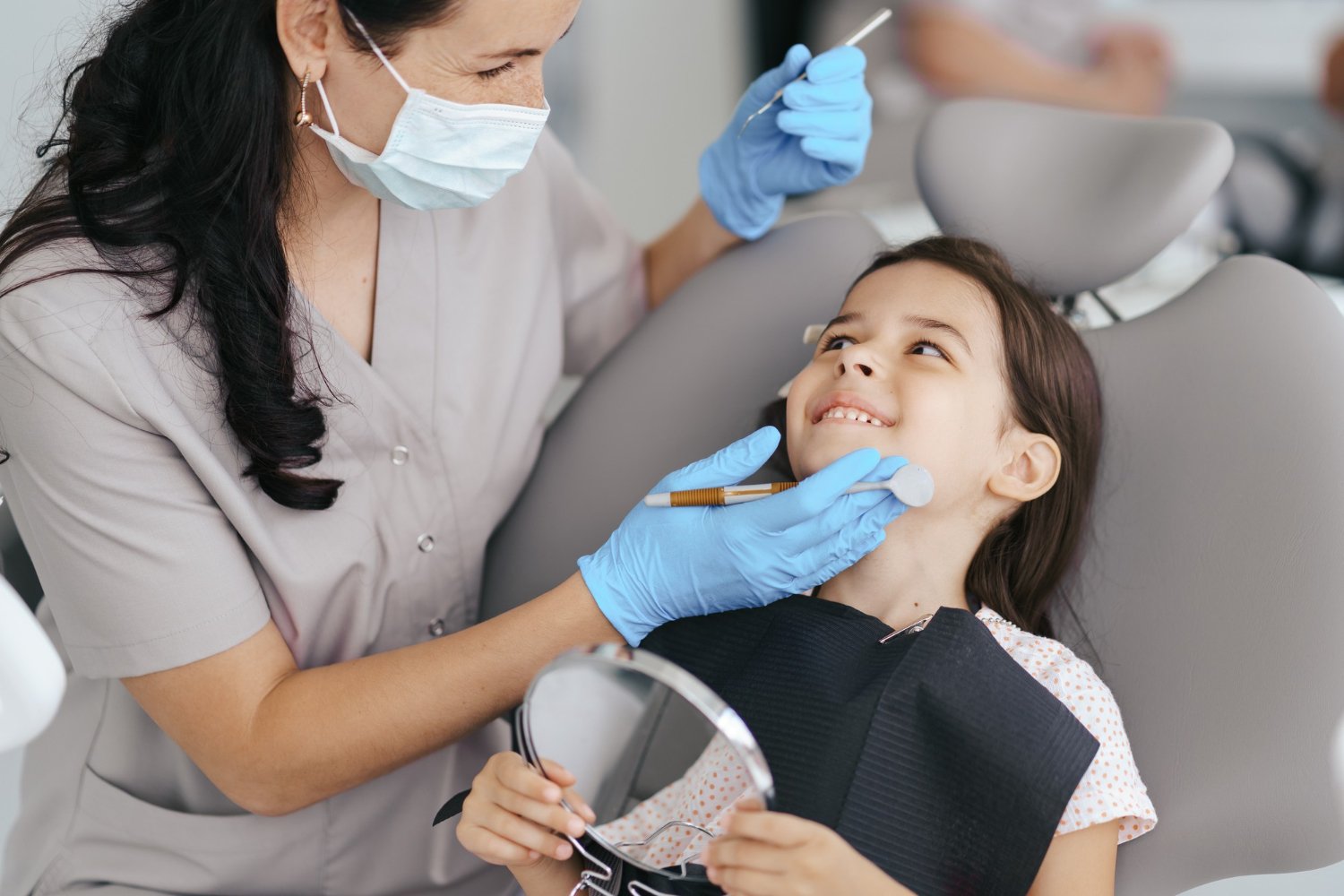
Primary teeth serve as natural space holders for permanent teeth. If a baby tooth falls out earlier than expected, adjacent teeth may shift into the open space, reducing room for the incoming adult tooth. If a primary tooth remains too long, it may block or alter the eruption pattern.
These situations may lead to:
- Crooked permanent teeth
- Crowding
- Double-row teeth (commonly called shark teeth)
- Eruption delays
In cases where primary teeth are retained if removal becomes necessary, care is available through gentle services such as tooth extractions.
Sign 5: Mouth Breathing, Speech Difficulties or Jaw Discomfort
Breathing and speech patterns also provide important insight into alignment. Children who regularly breathe through their mouths rather than their noses may be compensating for airway obstruction or structural changes in the jaw.
Mouth breathing can contribute to:
- Narrow palate development
- Forward head posture
- Dry mouth and increased cavity risk
- Misaligned bite patterns
Speech challenges, such as difficulty producing S, L or TH sounds, may also indicate dental positioning concerns. When these functional signs appear, a developmental assessment by a Kids Dentist experienced in orthodontic evaluation can help determine whether braces may improve overall function.
How Pediatric Dentistry Supports Orthodontic Development
The goal of early dental supervision is not always immediate treatment. Instead, ongoing monitoring supports timely intervention if and when needed. Providers specializing in pediatric dental care understand growth patterns and can guide appropriate timing for orthodontic recommendations.
Key advantages of early supervision include:
| Benefit | Long-Term Impact |
| Growth monitoring | Ensures timely intervention and reduces risk of worsening alignment |
| Prevention of overcrowding | Encourages healthier spacing for permanent teeth |
| Functional bite correction | Improves chewing, breathing and speech |
| Reduced treatment complexity | May shorten or simplify orthodontic treatment later |
| Improved hygiene | Allows better brushing access and lowers decay risk |
Parents seeking an initial or follow-up evaluation can request an appointment through the Kids Dentist Burbank scheduling resource.
When Should Parents Seek an Orthodontic Consultation?
If one or more of the signs discussed earlier are present, or if your child expresses difficulty biting, chewing or managing oral spacing, a consultation may be beneficial.
Parents should also seek evaluation if:
- Teeth appear uneven or angled
- Permanent teeth erupt in unexpected areas
- Jaw clicking or discomfort occurs
- The child snores loudly or breathes primarily through the mouth
- Family history suggests orthodontic needs
Not all children require braces immediately, and some only need periodic monitoring. However, scheduling evaluation early provides clarity and minimizes uncertainty.
Treatment Timing: Early Intervention vs. Traditional Braces
Orthodontic care may involve multiple phases. For some children, early treatment begins during mixed dentition and focuses on growth guidance. Later, traditional braces refine final alignment.
Treatment may include:
- Space maintainers
- Palate expanders
- Functional orthodontic appliances
- Full braces
- Retainers
The treatment approach depends on age, dental development, alignment severity and functional needs. A specialist in Burbank pediatric dentistry can help decide whether early, staged or delayed intervention is most appropriate.
Frequently Asked Questions
1. Are braces painful?
Children may experience temporary tenderness after adjustments, but discomfort typically decreases within a few days.
2. Can early intervention prevent the need for braces later?
In some cases, early treatment may reduce or eliminate the need for later braces, but many children still benefit from a second phase of alignment.
3. Is early orthodontic treatment safe?
Yes. Orthodontic care performed by qualified pediatric professionals is designed to support natural growth and oral health safely.
4. What happens if alignment issues are left untreated?
Misalignment may worsen over time, potentially affecting chewing, airway development and long-term oral health.
5. Should children avoid certain foods with braces?
Once braces are placed, hard, sticky or chewy foods may need to be limited to protect wires and brackets.
Conclusion
Recognizing early signs of orthodontic needs can help families make confident and informed decisions about treatment. Although every child develops at their own pace, there are specific dental, functional and behavioral clues that may indicate braces could be helpful sooner rather than later. Paying attention to issues such as tooth spacing, jaw alignment, bite problems, speech challenges and oral habits can provide valuable insight into whether an orthodontic evaluation is appropriate.
Parents looking for qualified guidance may consider consulting professionals experienced in evaluating early orthodontic development. A trusted pediatric dentist in Burbank, a Kids Dentist Burbank provider or a practice specializing in pediatric dental care can help assess whether treatment or monitoring is necessary.
Early evaluation offers several long-term benefits. It supports proactive planning, encourages proper growth and development, and may even prevent more complex dental issues later in life. By addressing potential concerns early, families can help set the foundation for a strong, healthy and well-aligned smile that lasts into adulthood.