
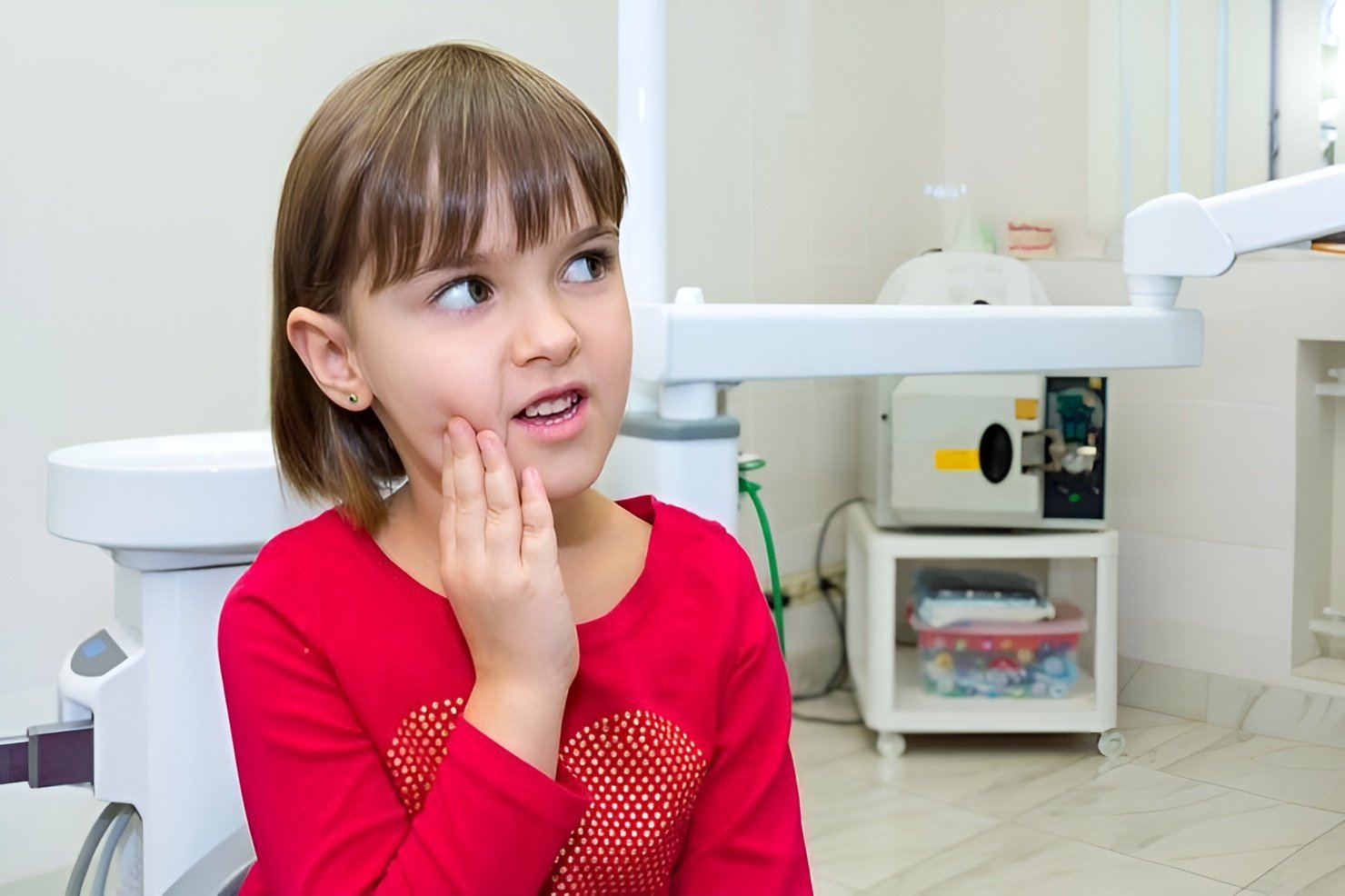
Watching your child experience a dental injury can be frightening. When a tooth is knocked out, immediate and proper care can make a significant difference in preventing infection, reducing discomfort, and protecting oral health. This article provides parents with a comprehensive guide to handling pediatric dental injuries, including knocked-out baby teeth, step-by-step care, and preventive strategies.
Understanding Tooth Trauma in Children
Dental injuries are surprisingly common among children, often occurring during play, sports, or accidental falls. Recognizing the severity of tooth trauma and understanding the differences between baby teeth and permanent teeth is critical for parents. Acting promptly can prevent further damage, reduce pain, and ensure that children receive the care they need from a qualified pediatric dentist in Burbank, CA, or your local area.
Types of Pediatric Dental Injuries
Children can experience a variety of dental injuries, including chipped teeth, fractured teeth, and fully avulsed (knocked out) teeth. Chipped teeth may only require minor repairs, while fractured or knocked-out teeth demand urgent attention. Knowing how each injury differs allows parents to provide appropriate immediate care and understand why quick professional intervention is essential.
Immediate Steps for a Knocked-Out Baby Tooth
When a tooth is knocked out, parents must remain calm to act effectively. While baby teeth are less likely to be replanted, correct handling is crucial to avoid damage to surrounding teeth and gums. Immediate actions can prevent complications and reduce pain, emphasizing the importance of having a pediatric dental emergency plan ready.
Step-by-Step Actions
First, locate the tooth and handle it by the crown rather than the root to avoid damaging the delicate tissue. If the tooth is dirty, rinse it gently with clean water and never scrub or use soap. For permanent teeth, keep the tooth moist in milk, saliva, or saline. Apply gentle pressure with a clean cloth to control any bleeding and contact a pediatric dentist immediately for evaluation. These steps are critical for ensuring the best outcome for your child’s dental health.
When to Seek Urgent Dental Care
Some dental injuries require immediate attention. Severe pain, swelling, or prolonged bleeding are signs that urgent care is needed. Pediatric dental emergencies should always be addressed promptly to prevent infection, misalignment, or long-term damage. Recognizing when to seek professional care ensures your child’s safety and comfort.
Finding the Right Pediatric Dentist Quickly
Locate a pediatric dental emergency provider near you before an accident occurs. Having the contact information for an emergency pediatric dentist in Burbank, CA, or nearby locations can save valuable time during an urgent situation. Immediate access to a qualified dentist ensures your child receives expert care when every minute counts.
Managing Pain and Comfort
Dentist sedation near me can be painful and frightening for children. Parents play a crucial role in managing discomfort while awaiting professional care. Using safe, age-appropriate methods helps reduce anxiety and ensures the child feels supported throughout the experience.
Home Comfort Measures
A cold compress applied externally can help reduce swelling and ease pain. Encourage soft foods and fluids to prevent aggravating injury and reassure your child throughout the process. Keeping your child calm and distracted can significantly improve their comfort during a stressful event.
Preventing Future Dental Injuries
Prevention is always better than treatment. Educating children about safe play habits, using protective gear during sports, and childproofing the home can help reduce the likelihood of dental trauma. Parents should take proactive measures to safeguard their children’s teeth against accidents.
Safety Equipment and Habits
Mouthguards are essential for children participating in sports or high-impact activities. Childproofing furniture, installing corner guards, and supervising play can prevent falls that lead to dental injuries. Teaching children safe play techniques encourages long-term habits that protect their oral health.
Aftercare and Follow-Up
Even after a knocked-out tooth has been managed, follow-up care is critical. Regular checkups with a pediatric dentist ensure proper healing, alignment, and the prevention of complications such as infection or misalignment. Continuous monitoring supports the long-term dental health of your child.
Monitoring Healing and Oral Health
Parents should watch for signs of infection or delayed healing and maintain consistent oral hygiene routines. Scheduling follow-up pediatric dental exams in Burbank or nearby areas guarantees professional assessment and allows any necessary interventions to occur promptly. Maintaining brushing and flossing habits ensures healthy teeth throughout the recovery period.
Additional Considerations for Pediatric Dental Emergencies
Besides knocked-out teeth, children may experience other forms of dental trauma, such as cracks, fractures, or injuries from falls and sports. Understanding the broader spectrum of pediatric dental care helps parents respond effectively in a variety of situations. Establishing a relationship with a local pediatric dentist and familiarizing yourself with emergency procedures ensures you are always prepared.
Understanding the Psychological Impact of Dental Trauma
Dental injuries can be frightening for children, affecting their emotional well-being. Parents should recognize the psychological impact and provide reassurance and support. A calm and positive approach helps children feel secure during and after the incident.
Helping Your Child Cope Emotionally
Encourage your child to express their fears and feelings about the injury. Reading stories or showing videos about dental care can normalize the experience. Rewarding bravery and compliance with small incentives can improve cooperation and reduce anxiety in future visits.
When Permanent Teeth Are Involved
Burbank pediatric dentistry requires urgent attention because timely action can sometimes save the tooth. Parents must understand the differences between baby teeth and permanent teeth in terms of treatment priorities.
Handling a Knocked-Out Permanent Tooth
Locate the tooth carefully and rinse it without scrubbing. Place it in milk, saline, or a tooth preservation kit if available. Avoid touching the root and seek immediate care from a pediatric dentist or emergency dental clinic. Quick response is critical to maximize the chance of successful reimplantation.
Managing Bleeding and Oral Injuries
Knocked-out teeth often cause bleeding, which can be alarming. Knowing how to control bleeding safely is essential for parents handling a dental emergency.
Safe Techniques for Controlling Bleeding
Use clean gauze or cloth to apply gentle pressure to the gum area. Maintain pressure for 10–15 minutes, and if bleeding persists, contact your pediatric dentist immediately. Avoid using harsh chemicals or unapproved remedies that can irritate the tissue.
Coordinating Care with Schools and Caregivers
Dental injuries frequently occur outside the home, such as at school or during extracurricular activities. Parents should ensure caregivers understand how to respond in emergencies.
Preparing Emergency Instructions
Provide teachers, coaches, and babysitters with written instructions on handling dental trauma, including emergency contacts and steps for knocked-out teeth. This preparation ensures consistent care and quick response no matter where the incident occurs.
Long-Term Dental Health After Trauma
After initial care, monitoring the child’s dental development is important. Injuries can affect tooth alignment, eruption patterns, or oral function, requiring ongoing attention.
Follow-Up and Preventive Strategies
Schedule follow-up visits with your pediatric dentist to assess healing and development. Consider additional preventive measures such as mouthguards for sports and regular dental exams. Reinforce good oral hygiene practices to support overall dental health and prevent future issues.
Conclusion
Dental injuries can be stressful but knowing exactly what to do if your child knocks out a tooth can make all the difference. Immediate care, calm management, and prompt access to a pediatric dentist provide the best outcome for your child. By understanding tooth trauma, preparing for emergencies, and promoting preventive practices, parents can help children navigate dental injuries with confidence and minimal discomfort.
This step-by-step guide empowers parents to act decisively, protect their child’s oral health, and maintain peace of mind during dental emergencies.