
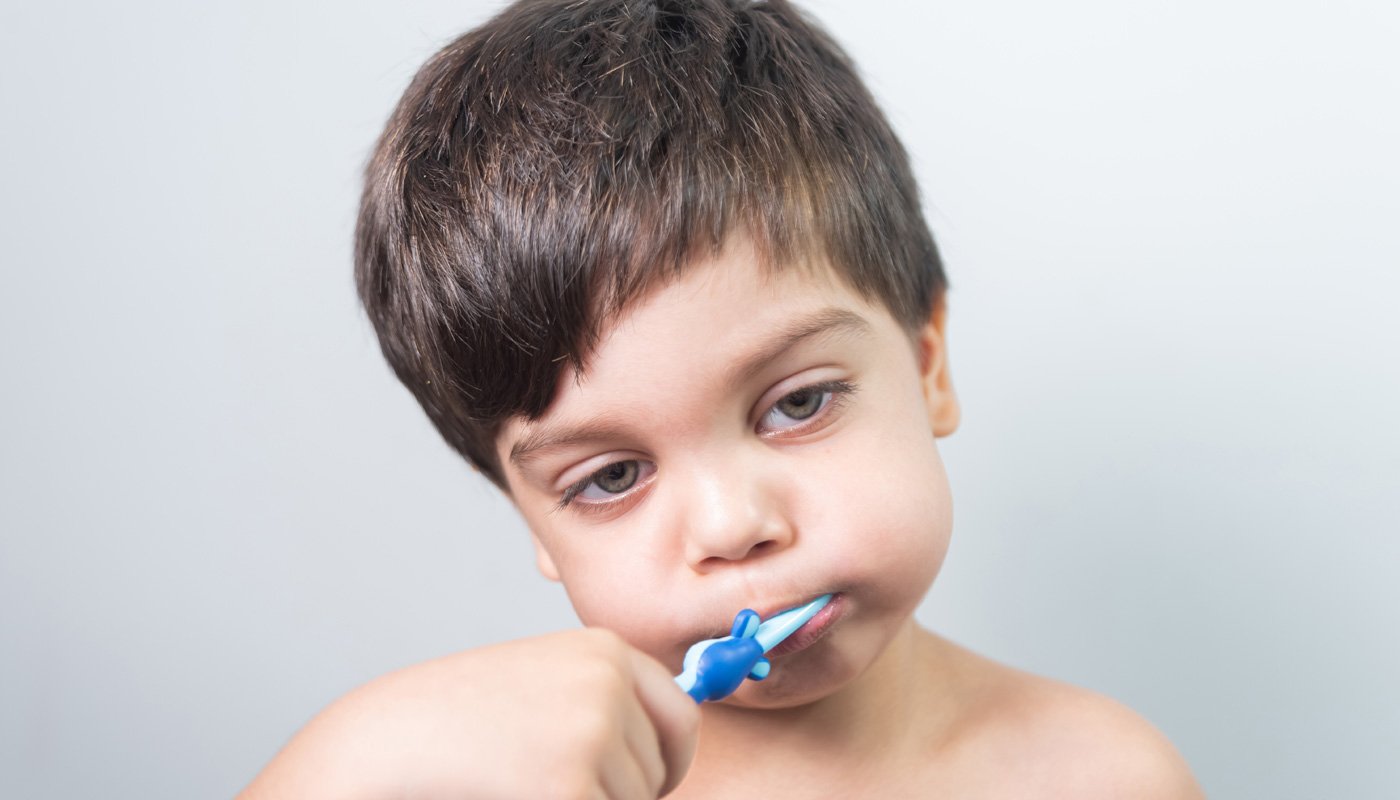
Helping children build strong brushing habits early is one of the most important steps in protecting their long-term dental health. Kids learn best through repetition, modeling, and positive reinforcement. These five evidence-supported strategies make brushing easier, more enjoyable, and more effective.
1. Turn Brushing Into a Routine With Structure
Children respond well to predictable routines. Brushing twice a day for two minutes should be done:
• After breakfast
• Before bed
Using the same locations, same steps, and same expectations each day helps create automatic habits. Consistency reduces resistance because brushing becomes a familiar part of the daily rhythm—not a surprise or a chore.
Pro tip: Use a two-minute timer or a brushing app recommended by pediatric dentists. Timers help kids understand how long a proper brushing session should last.
2. Let Kids Choose Their Own Dental Tools
Giving children a sense of ownership over their brushing routine increases cooperation and motivation. Safe choices include:
• A toothbrush with their favorite color or character
• A child-safe fluoride toothpaste with a flavor they enjoy
• A small rinsing cup or step stool they can use independently
A child is more invested in a routine when they get to “design” part of it themselves. Just make sure tools are ADA-approved and age-appropriate.
3. Make Brushing a Game
Gamification transforms brushing from a task into something fun. Evidence shows children perform better when learning is tied to play.
Try:
• Brushing along with a two-minute song
• “Follow the leader” — your child copies your brushing motions
• A points chart that rewards consistency
• A “tooth detective” game: look for hidden “sugar bugs” to brush away
Games help maintain focus, improve technique, and reduce resistance.
4. Brush Together as a Team
Children model their parents’ behavior, especially during daily routines. When kids see adults brushing properly, they naturally imitate the technique and effort.
When brushing together:
• Angle the brush 45 degrees toward the gumline
• Brush gently in circular motions
• Cover all surfaces: outer, inner, and chewing surfaces
• Help younger children finish the areas they miss
The American Academy of Pediatric Dentistry (AAPD) recommends that parents supervise brushing until at least age 8, when children have the hand coordination to brush effectively on their own.
5. Use Visual Learning and Positive Reinforcement
Young children learn best through visuals and praise. Show them:
• Kid-friendly videos about brushing
• Picture books that explain plaque and “sugar bugs”
• Simple diagrams of teeth and gums
• Brushing charts to track progress
Positive reinforcement works far better than pressure or punishment. Celebrate consistency, focus, and effort—not perfection.
Examples of effective reinforcement:
• Stickers on a chart
• Extra bedtime story
• High-five for finishing all surfaces
• Praise for independent effort
The goal is to build confidence and pride in their ability to care for their teeth.
How Parents Can Ensure Effective Brushing
Even with fun methods, children need help to clean thoroughly.
Follow evidence-based guidelines:
• Brush twice daily for 2 minutes
• Use a pea-sized amount of fluoride toothpaste after age 3
• Support hand-over-hand brushing for younger children
• Supervise and check for missed spots
• Replace toothbrushes every 3 months or after illness
If a child consistently avoids brushing or has sensory challenges, a pediatric dentist can offer personalized strategies tailored to their needs.
When to Visit a Pediatric Dentist
Schedule a visit if your child has:
• Persistent plaque that doesn’t brush away
• Bleeding gums
• Tooth sensitivity
• White or brown spots on enamel
• Resistance to brushing due to discomfort
Regular professional cleanings and checkups strengthen what kids learn at home and ensure they maintain a healthy smile as they grow.